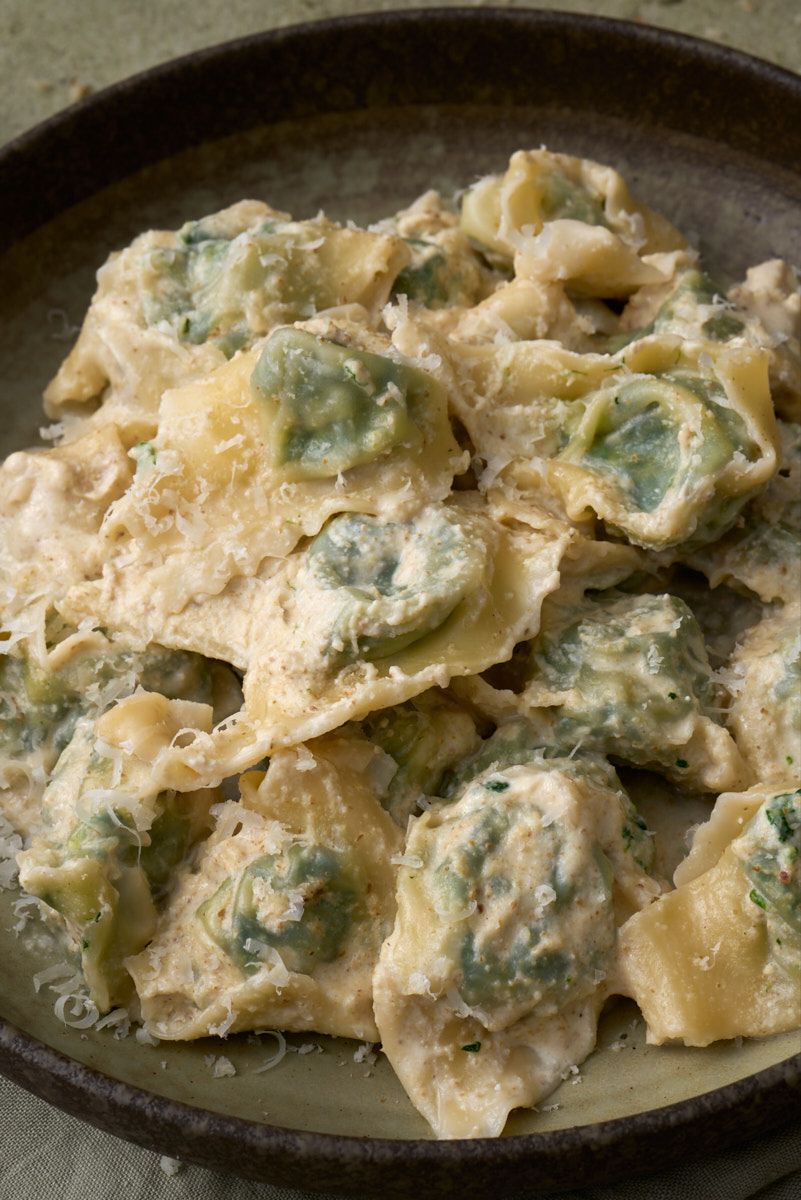
Pansoti con salsa di noci is Liguria’s traditional stuffed pasta – thin sheets of pasta bianchi (white pasta dough) filled with greens and cheese, shaped into small parcels, and dressed with salsa di noci, a cold walnut sauce. The name pansoti comes from the Genovese dialect word for ‘little bellies’ – a reference to the fat, rounded shape of each parcel.
The Pansoti Shape
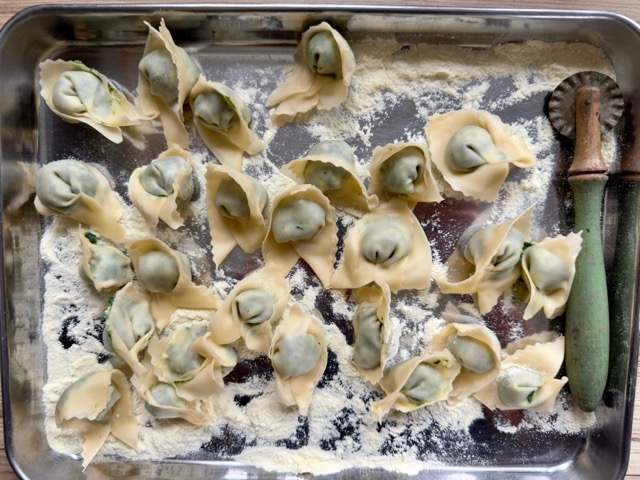
The shape varies with Liguria: a triangle in some areas, a half-moon in others, but they are most recognisable when two of the triange corners are pinched together.
What is the Traditional Pansoti Filling
The traditional filling is built around preboggion – a word from the Ligurian dialect meaning “pre-boil.” But in this context it means the mixture of wild greens Ligurians collect from the garden or forest from the forests and hillsides.
To make the preboggion filling you must blanch the greens squeeze them dry, then combin with cheese and egg. The exact mix of herbs has never been fixed: traditionally it would be whatever was available that day, balanced between bitter and mild.
There are some 30 different greens that can traditionally be added to the preboggion including borage, dandelion, pimpinella, wild beet, nettle, and silene. The list changes with the season, the picker, and the hillside. But the season and availability at any given time means that 7-9 types of foraged greens are normally adequate.
What Can I Use Instead of Preboggion?
The traditional preboggion is almost impossible to replicate outside Liguria. The wild herbs that Ligurian cooks gather from the bricchi (the dry scrubland hillsides behind the coast) don’t grow in most gardens or show up at supermarkets. But the good news is that you can use spinach and chard instead.
If you want to move closer to the original, fresh borage leaves (available from specialist growers and some farmers’ markets) or a mix of wild rocket, chard, and dandelion leaves will give you more of the bitter edge that makes the traditional filling distinctive. Or take the plunge and forage some on your next walk.
Traditional vs Home Kitchen: Key Substitutions
| Traditional | Home Kitchen Substitute |
|---|---|
| Preboggion (foraged wild herbs) | Spinach and chard |
| Prescinsêua (Ligurian curd) | Whole-milk ricotta |
| Pasta bianchi dough | Standard 00 flour and egg dough |
How to Make Pansoti Dough
The pasta dough for pansoti is not a standard egg pasta. It just has a 2 eggs per 500 grams of flour and you must add water to bring the dough together. This creates a very white pasta, a pasta bianchi, which is the traditional look of the pasta.
The dough should be rolled as thin as you dare. As with all filled pasta, thinner is better, but too thin and the pasta sheets are harder to work with and split open more easily in the pan.
What Cheese is Used for Pansoti?
The authentic filling calls for prescinsêua, a fresh Ligurian curd cheese with a slightly acidic, yoghurt-like flavour. It appears in several other Ligurian dishes such as torta Pasqualina and focaccia di Recco. It gives the filling a tanginess that ricotta doesn’t quite match. Outside Liguria, it’s essentially unavailable. But good-quality whole-milk ricotta is fine.
How to Shape the Pansoti
The folding is simpler than it looks. Cut your thin dough into squares, place a small mound of filling in the centre, and fold corner to corner to make a triangle, pressing the edges firmly to seal. Then fold the two base corners back toward each other and press them together. You get a fat little parcel that holds its shape during cooking and doesn’t split.
The key is not overfilling. A teaspoon of filling per parcel is enough. Pack too much in and the edges won’t seal properly, and the pasta will open in the water. Squeeze the filling dry before you use it – wet filling is the main reason pansoti fall apart.
A light dusting of semolina flour on the tray stops them sticking while you wait to cook them.
What Sauce is Used for Pansoti?
The sauce for pansoti is salsa di noci – a Ligurian walnut sauce. It’s a cold-blended sauce made from walnuts, soaked bread, garlic, milk, and Parmigiano Reggiano.
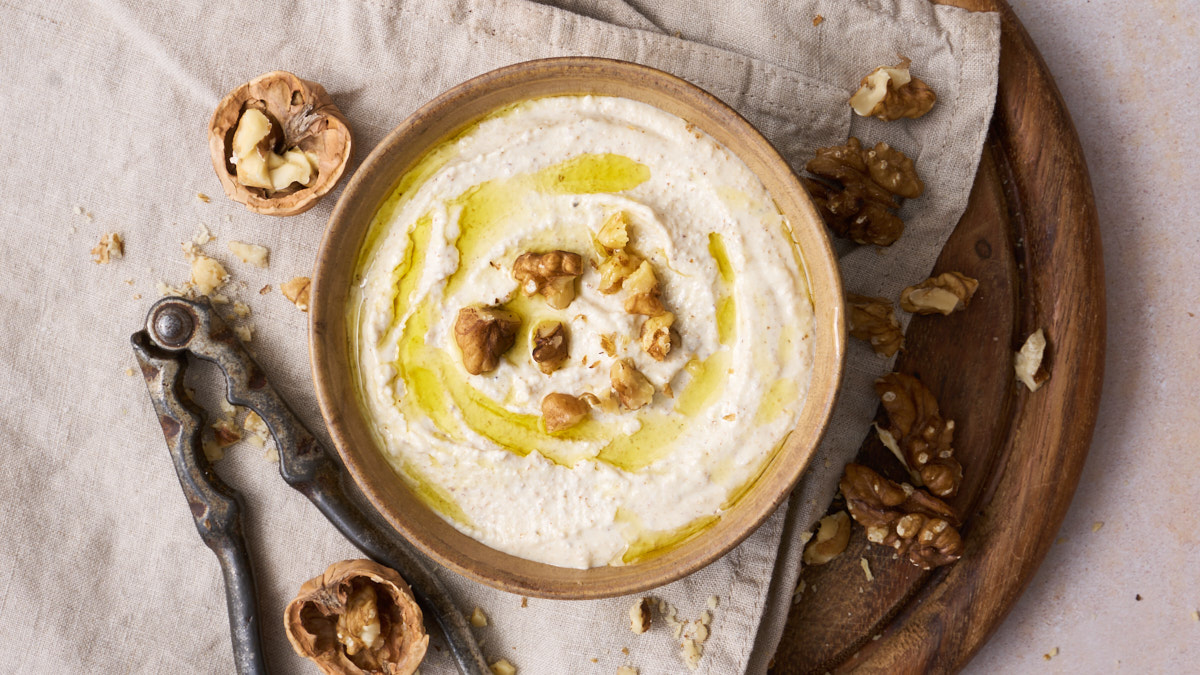
Salsa di noci is quite a thick sauce. Almost the consistency of hummus. It is important that you loosen it with a splash of the pasta cooking water before dressing the pansoti. The starchy water thins the sauce and helps it coat the pasta. The sauce should never be heated. The residual heat of the pansoti and the pasta water warms the sauce, but it will lose that heat quickly so you must serve it immediately.
How is Pansoto Cooked and Served?
Pansoti cook quickly – three to four minutes in well-salted boiling water. They’re ready when they float and the dough looks slightly translucent at the edges. Lift them out with a slotted spoon rather than draining through a colander. They’re fragile enough to break if you tip them into a strainer.
Serve on warmed plates. Spoon the loosened salsa di noci over the top. Finish with a grating of Parmigiano.
Buon appetito! 🇮🇹
More Food from Liguria
Liguria is a region of intense, precise flavours – built on basil, olive oil, anchovies, and the sea.
Buridda di Seppie – Ligurian Cuttlefish and Peas
Pesto di Fave – Fava Bean Pesto
Discover more food from Liguria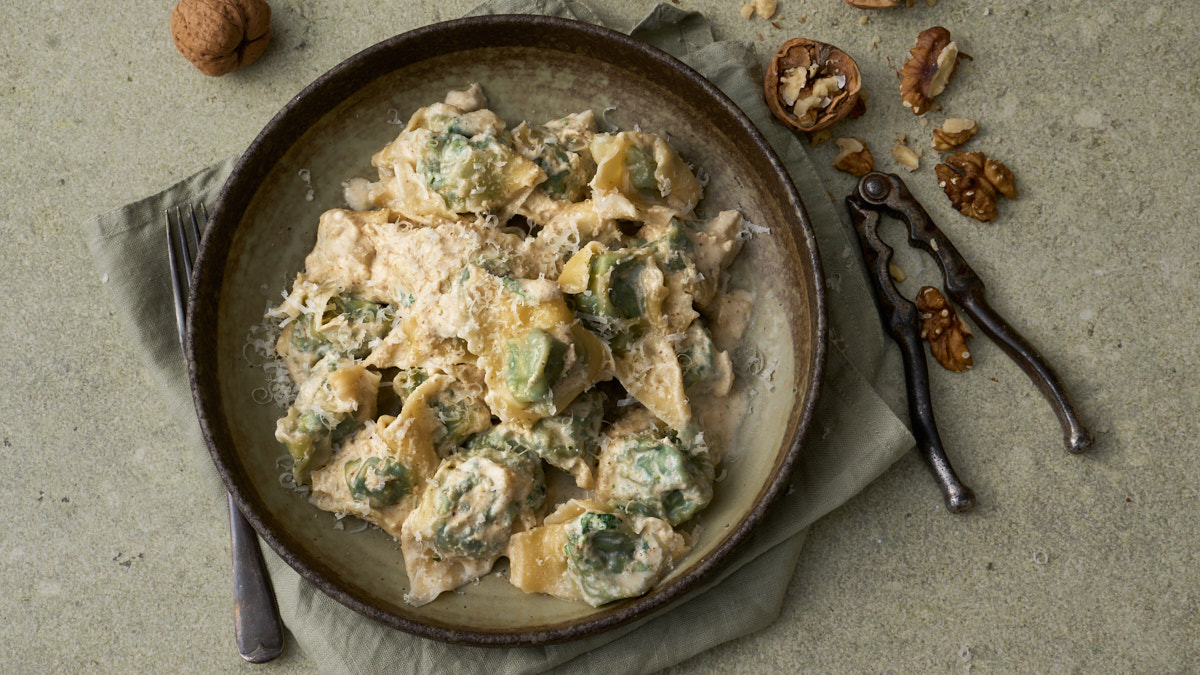
Pansoti con Salsa di Noci
Equipment
- Pasta Machine
- Large Mixing Bowl
- Pastry cutter or sharp knife
- Slotted spoon
- Large pot for boiling
Ingredients
For the Pansoti:
- 500 grams
OO flour 2 eggs; 1 pinch of salt.
- 2 eggs
- a pinch of salt
For the Filling:
- 350 grams of chard or spinach
- 3 eggs
- 200 g ricotta;
- 50 grams of parmesan cheese
- salt to taste
To Serve:
- Walnut sauce
Instructions
Filling
- Boil the well-washed chard or spinach leaves. Drain, squeeze, and finely chop and add to a bowl.
- Add the eggs, cheese, and a pinch of salt to bowl and mix well.
Pansoti
- Mix the flour with the eggs, a pinch of salt, and enough water to make a smooth dough; let it rest, covered with a cling film or a damp tea towel.
- Roll out the dough into two thin sheets; distribute small groups of fillings on the first sheet, spaced evenly apart, then lay the second sheet on top, press down with your fingers.
- Trim the pansoti to form a square then fold to form a triangle. Bring two corners of the triangle together and pinch together, so that the triangle corners form little legs. It should look a little bit like a tortellini.
- Then lay them out on a paper towel or a tray of semolina and let them air dry for about 2 hours if the air is dry, longer if it’s humid.
- Add the pansoti to a large pan of salted boiling water. The pansoti will rise to the surface when they are done – about 2-3 minutes. Use a slotted spoon to remove them from the pan when they are ready.
- Reserve a ladleful or 2 of the pasta water to loosen the sauce.
To Serve
- Add a ladleful of pasta water to the salsa di noci and mix it well.
- Toss the pansoti through the walnut and parmesan sauce and serve immediately.
Notes
- It is important that you drain the filling well because a wet filling can make your pansoti split open when cooking. It is sometimes a good idea to make the filling the day before which helps any excess moisture drain away.
- If you have a vacuum sealer, vacuum pack the pasta dough instead of wrapping in cling film. It really helps the dough rest.
Frequently Asked Questions
Can I make pansoti ahead of time?
Yes. Shape the pansoti and lay them on a semolina-dusted tray. They will keep in the fridge for up to 24 hours. For longer storage, freeze them on the tray until solid, then transfer to a freezer bag. Cook from frozen – add an extra minute to the cooking time.
What can I use instead of prescinsêua?
Whole-milk ricotta is the standard substitute outside Liguria. For something closer to the original tang, mix ricotta with a small spoonful of plain yoghurt or crème fraîche.
Why do my pansoti split open in the water?
Two causes: wet filling or under-sealed edges. Squeeze the filling as dry as possible before using – making it the day before helps. When sealing, press firmly along every edge with your fingers, not just the fold.
Can I make the walnut sauce ahead of time?
Yes. Make it up to two days ahead and keep it covered with a thin layer of olive oil in the fridge. Bring it to room temperature before serving and loosen with pasta cooking water just before dressing the pasta.
Is pansoti the same as ravioli?
They are both filled pasta but they are different shapes with different doughs. Pansoti uses a leaner pasta bianchi dough with less egg than standard ravioli dough, which gives it a whiter, more delicate wrapper. The filling is also specific – herb and cheese rather than meat.