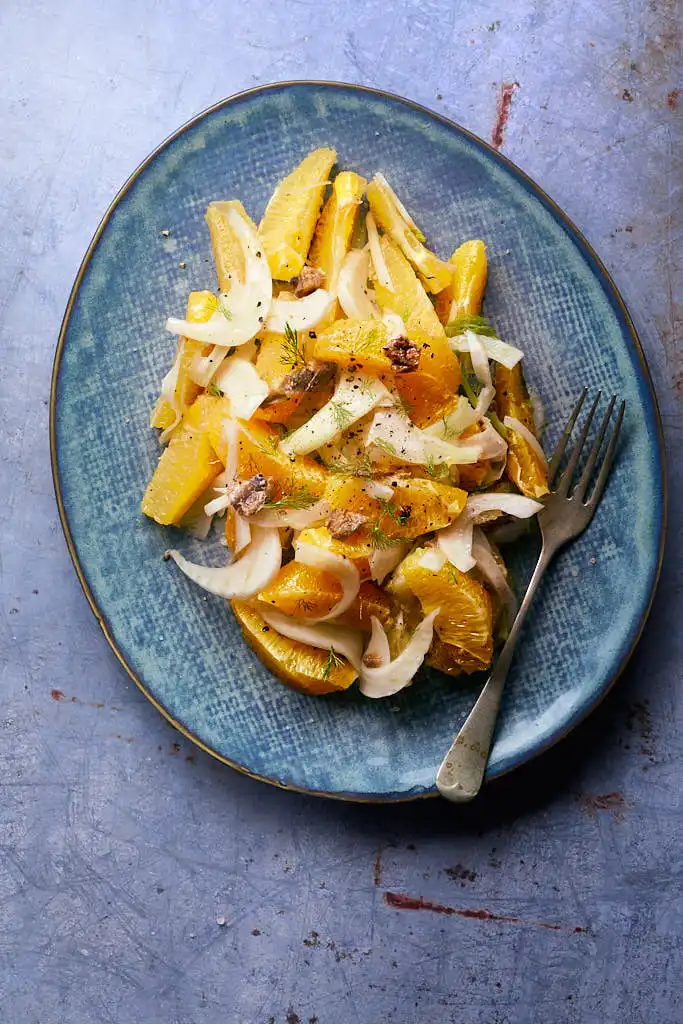
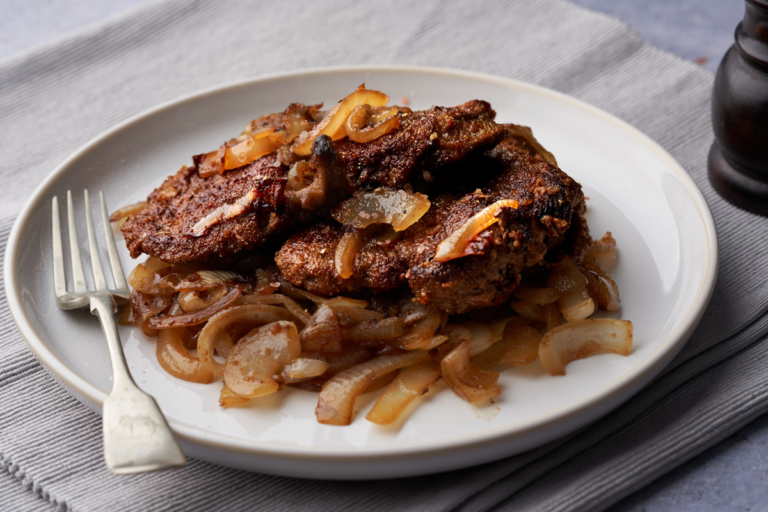
Sicily sits at the crossroads of the Mediterranean – Arab, Norman, Spanish and Greek cultures have all left their mark on the island’s cooking over the centuries. The result is one of Italy’s most distinctive regional cuisines, built on citrus, aubergine, sardines, almonds and the agrodolce tradition that runs through almost everything. This guide covers the dishes and ingredients that define Sicilian cooking.
Sicily Classics
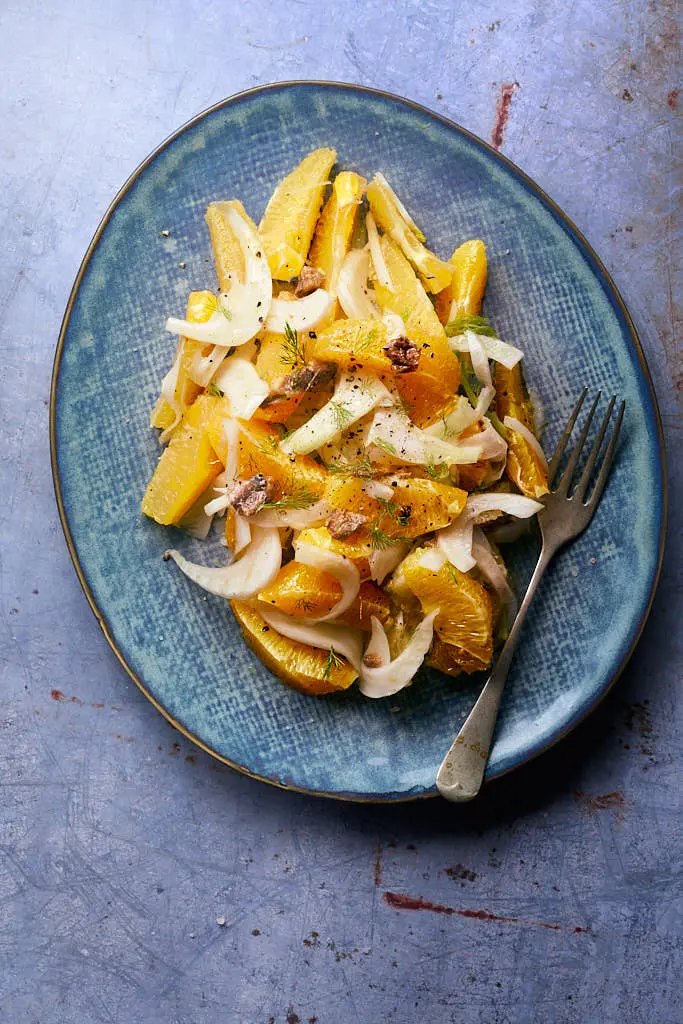
Sicily’s food carries more outside influence than almost any other Italian region. Arab traders brought aubergines, citrus, almonds and saffron. The Spanish brought tomatoes and chocolate. The Greeks were here before anyone. The result is a cuisine that looks and tastes unlike anywhere else in Italy. These are the dishes most associated with Sicilian cooking – the ones you will find on menus across the island.
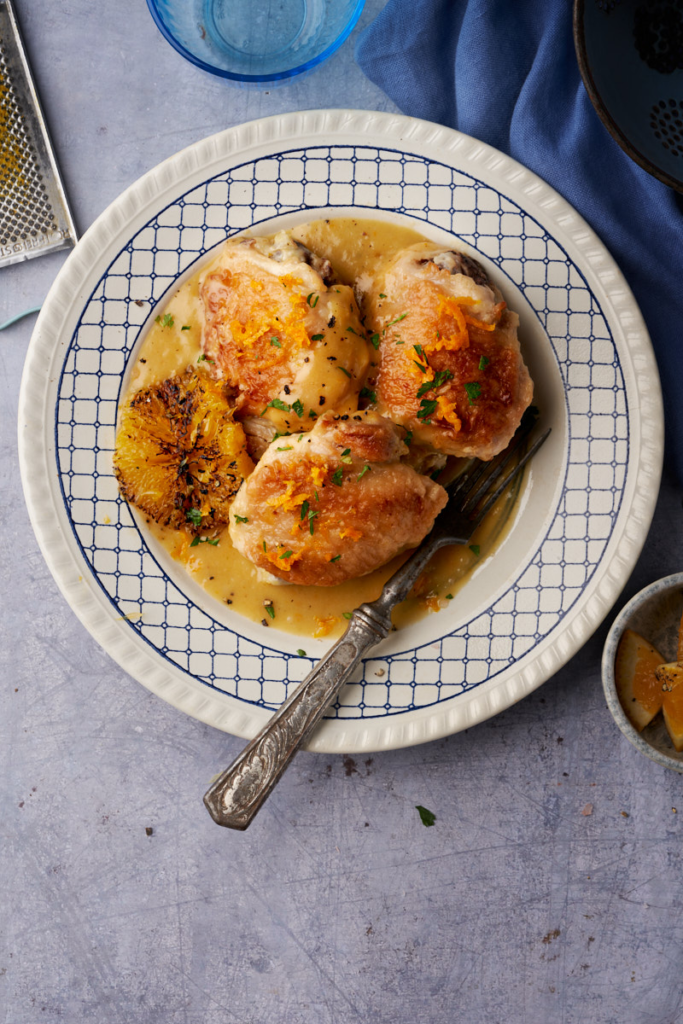
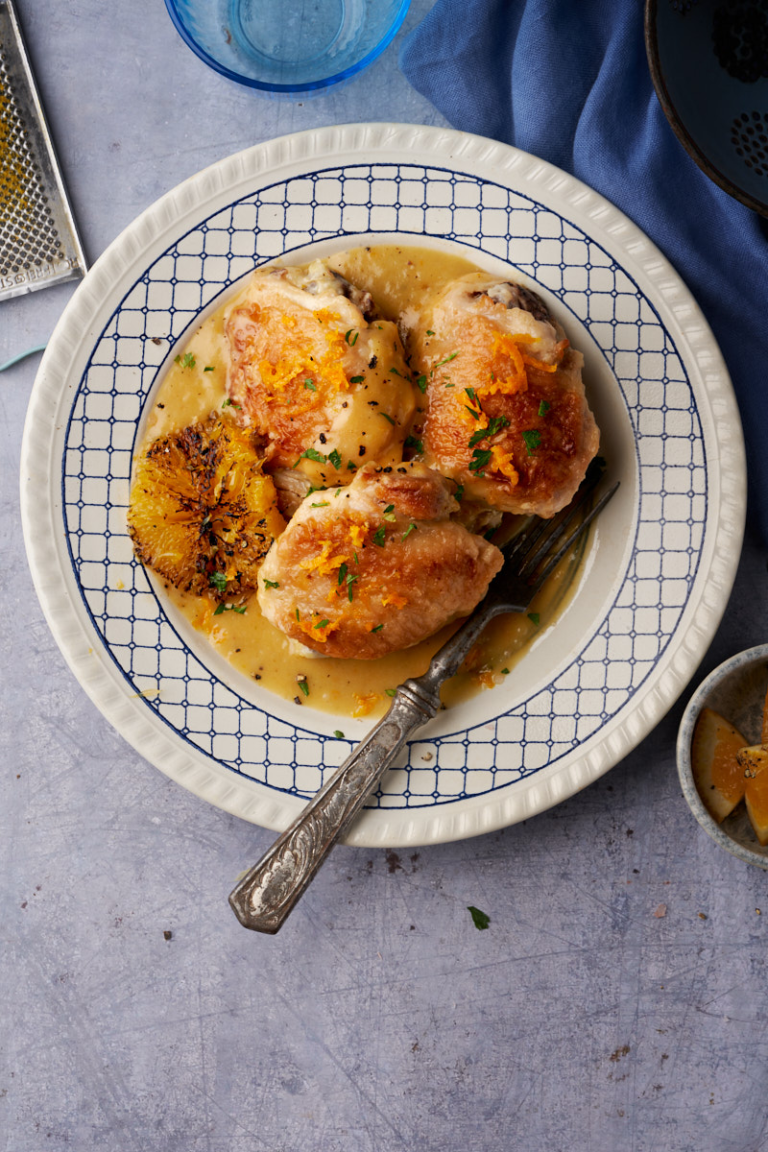
Sicily grows some of the best oranges in the world, and Sicilian cooks use them in ways that go well beyond dessert. Pollo all’Arancia is chicken braised in white wine and fresh orange juice – a dish that carries the Arab influence on Sicilian cooking that arrived in the 9th century and never really left. It is lighter than it sounds, fragrant rather than sweet, and one of the most distinctive things you can cook from this island.
Sicily is a large island with significant regional variation – the food of Palermo is different from the food of Catania, and both differ from the cooking of the eastern coast and the interior. These are recipes from across the island, from the street food traditions of the cities to the agrodolce dishes of the countryside.
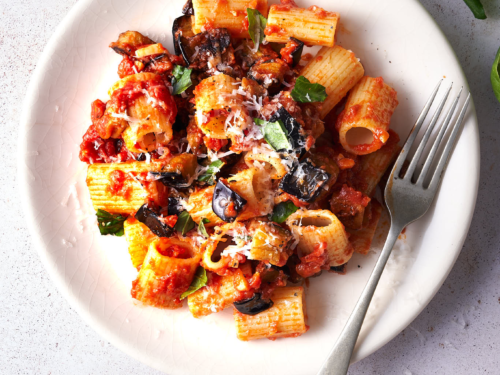
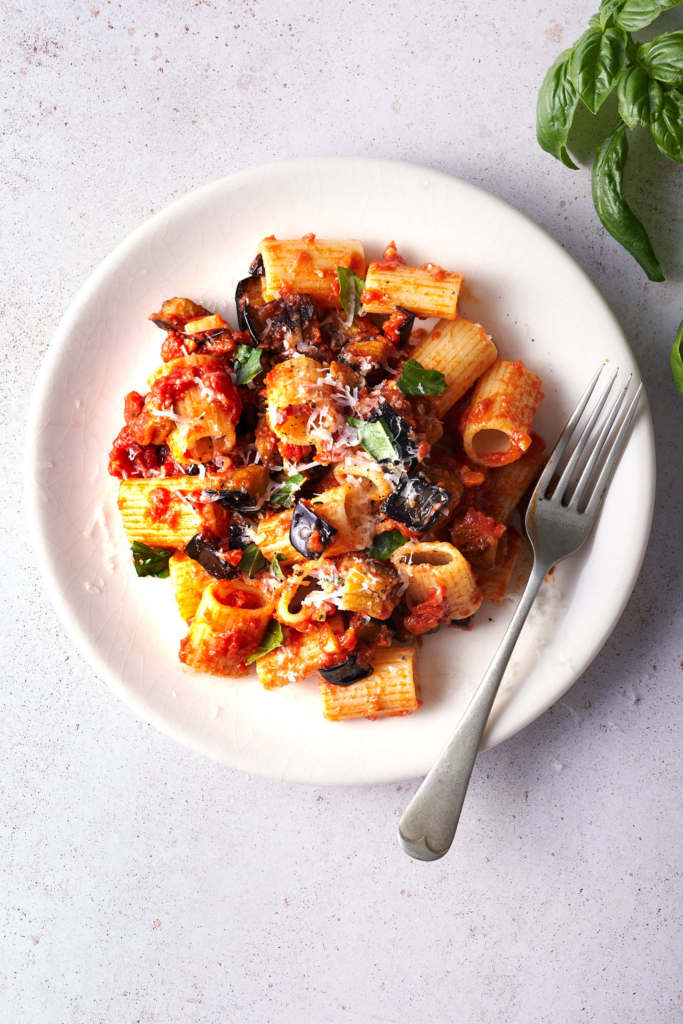
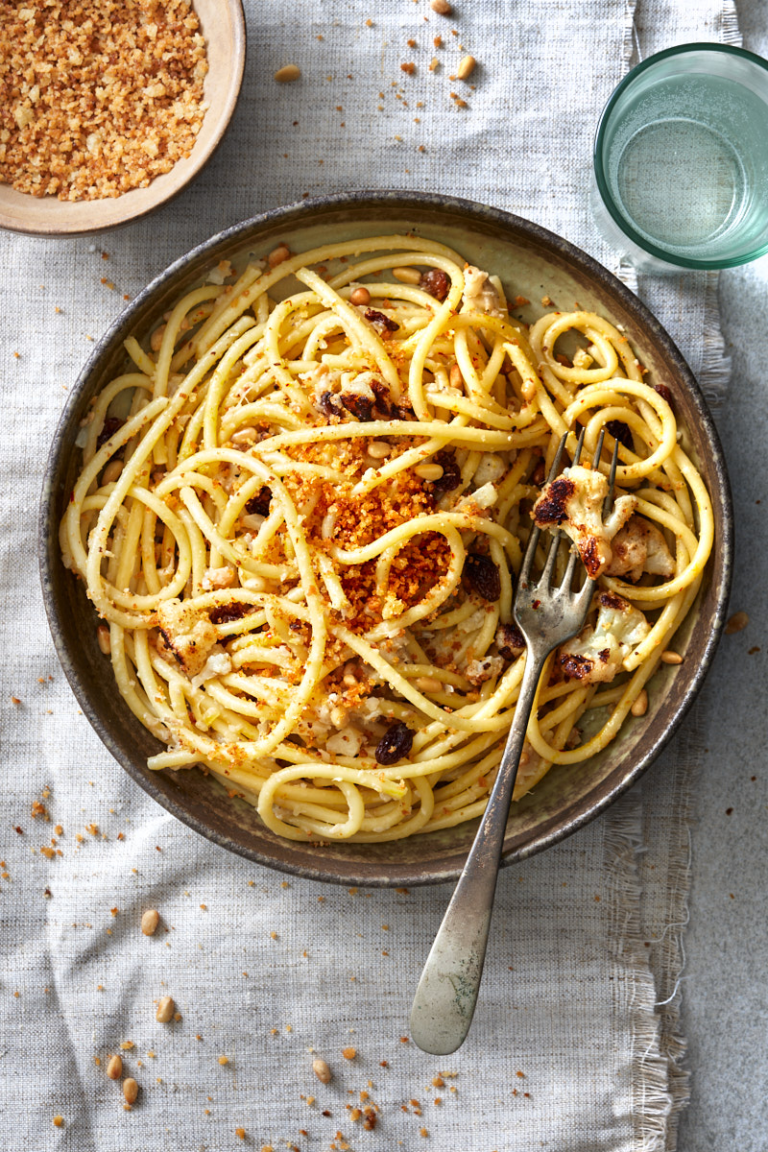
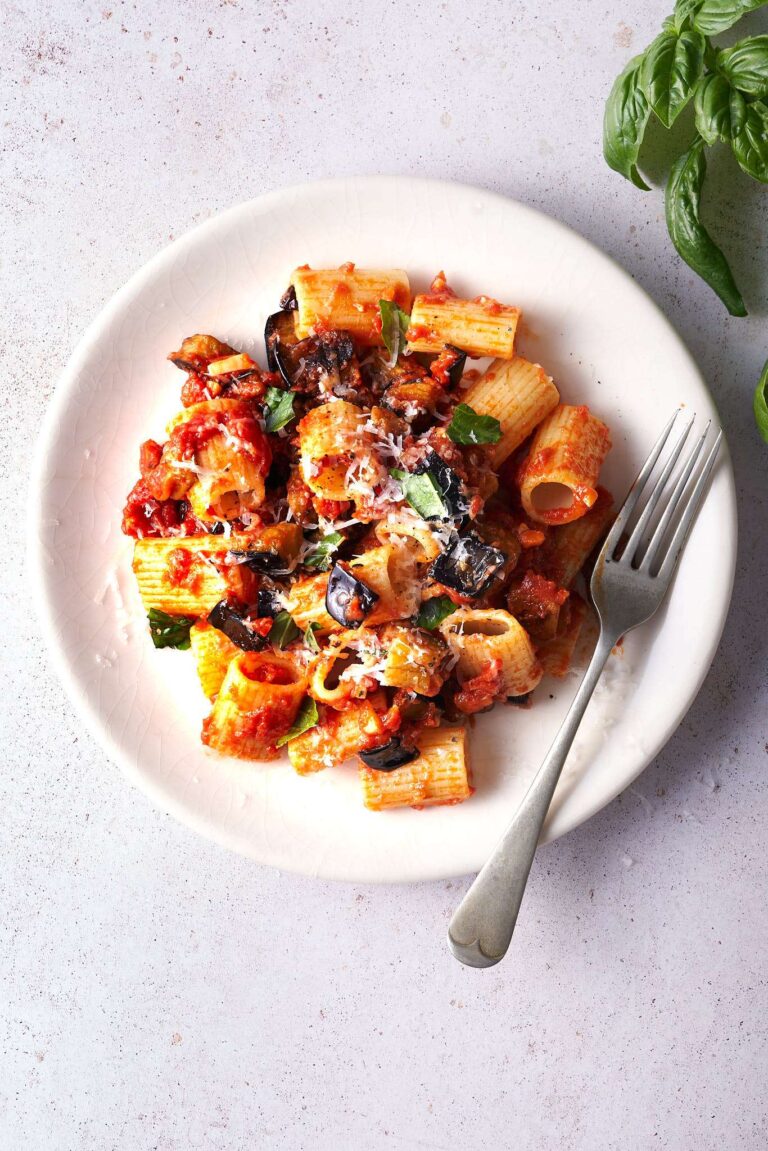
Sicily has a range of interesting pasta recipes. What sets it apart is not the pasta itself but what goes on it. The island was ruled by Arab traders between the 9th and 11th centuries, and that has directly influence Sicily’s pasta sauces. Aubergines, pine nuts, raisins, almonds, saffron, and citrus all arrived with the Arabs and never left. The result is a pasta tradition with a flavour profile unlike anywhere else in Italy. Combinations that would feel out of place on mainland Italy are completely at home here.