
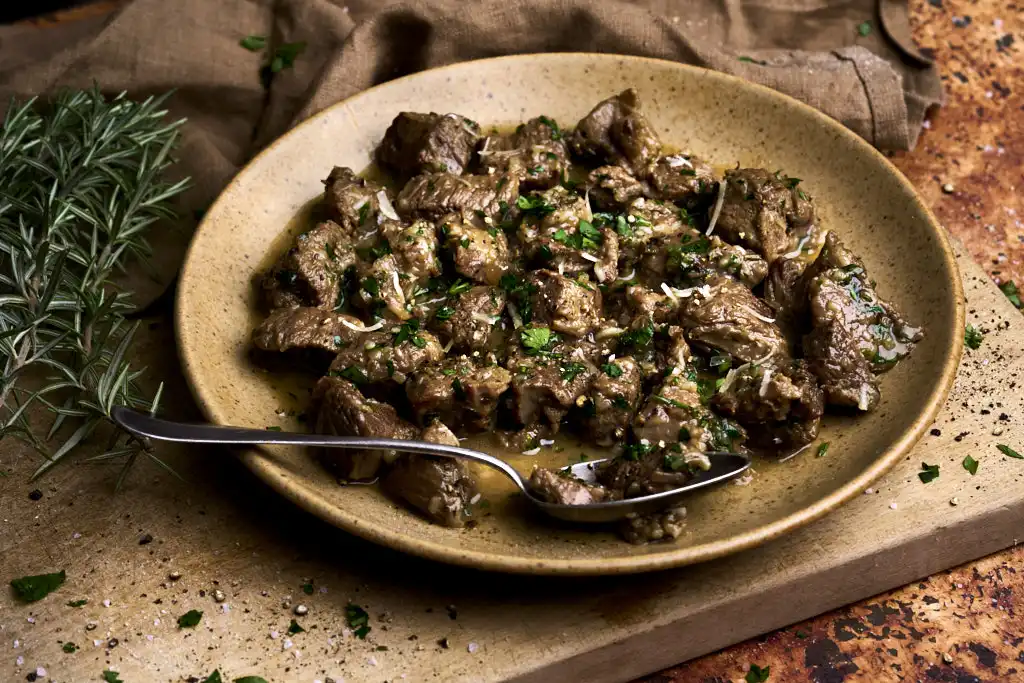
Italian Easter and Food Culture
Italian Easter food culture is regional at its core. Easter, or Pasqua. marks the end of Lent, the arrival of spring, and one of the most important shared meals of the year. Every valley, coastline, and hill town cooks differently. Climate, agriculture, and religion all influence Italian Easter recipes.
Across Italy, two symbols dominate the Easter table: lamb and eggs. Lamb represents sacrifice and renewal. Eggs symbolise rebirth and new life.
Despite strong regional differences, certain patterns repeat:
- Savoury pies filled with greens, cheese, or eggs
- Sweet leavened breads shaped into doves, braids, or rings
- Roasted lamb or kid goat
- Seasonal vegetables such as asparagus and artichokes
- Breakfast tables laid with salumi, cheese breads, and boiled eggs
What changes from region to region is flavour, shape, and local pride.
The Four Days of Italian Easter
Easter in Italy unfolds over four distinct days. The dishes vary by region, but the rhythm of gathering remains consistent.
Holy Thursday marks the beginning of preparation. Kitchens become active. Savoury pies are assembled. So are seafood dishes such as buridda di Seppie. Cheese breads are baked. Desserts such as pastiera, pinza, or casatiello are prepared in advance. Recipes are rarely written. They are passed down through repetition. The focus is on readiness rather than celebration.
Good Friday remains restrained. Traditionally meat-free, meals are simpler and lighter. Fish, legumes, and seasonal vegetables replace lamb. Artichokes in Lazio, fava beans in Liguria and Sicily, and asparagus in the north reflect the early spring harvest. The tone is quiet and deliberate.
On Holy Saturday, anticipation builds. In parts of central and southern Italy, baskets containing boiled eggs, salumi, and cheese breads are taken to church for blessing. Final preparations for Sunday are completed. Tables are planned. The shift from restraint to abundance becomes visible.
Easter Sunday centres on a structured family lunch. Extended families gather at midday. The format is recognisable across the country: antipasti of salumi and bread; a first course such as lasagne, soup, or stuffed pasta; lamb or kid goat as the main dish; seasonal vegetables; and a regional dessert. Coffee and digestivo close the meal. The gathering is unhurried and multi-generational.
Easter Monday, or Pasquetta, changes the setting. Formality gives way to informality. Families and friends move outdoors when possible. Food is portable: slices of savoury pie, cold frittata, leftover lamb, bread, and wine. The structure loosens, but the emphasis on gathering remains.
Easter Recipes


Northern Italy
Valle d’Aosta
Mountain cooking defines Easter here. Roast lamb or kid goat appears with Alpine herbs. Cheese breads enriched with local dairy products feature on breakfast tables. Savoury pies reflect cross‑border influence from Piedmont and Liguria.
Key Easter Dishes:
- Crescia di Pasqua
- Torta Pasqualina
- Agnello al Forno alle Erbe Alpine
Piedmont
Lamb remains central, often roasted or braised with wine and garlic. Hazelnut cakes appear for dessert, reflecting the region’s prized nut production. The national colomba pasquale is also widely eaten here.
Key Easter Dishes:
- Agnello Sambucano
- Colomba Pasquale
- Brasato al Barolo
Liguria
Liguria’s Easter icon is Torta Pasqualina, a savoury pie filled with spring greens, ricotta, and whole eggs baked inside. Traditionally associated with layered pastry, it symbolises abundance and rebirth. Sweet Easter breads shaped like baskets also appear.
Key Easter Dishes:
- Torta Pasqualina
- Cima alla Genovese
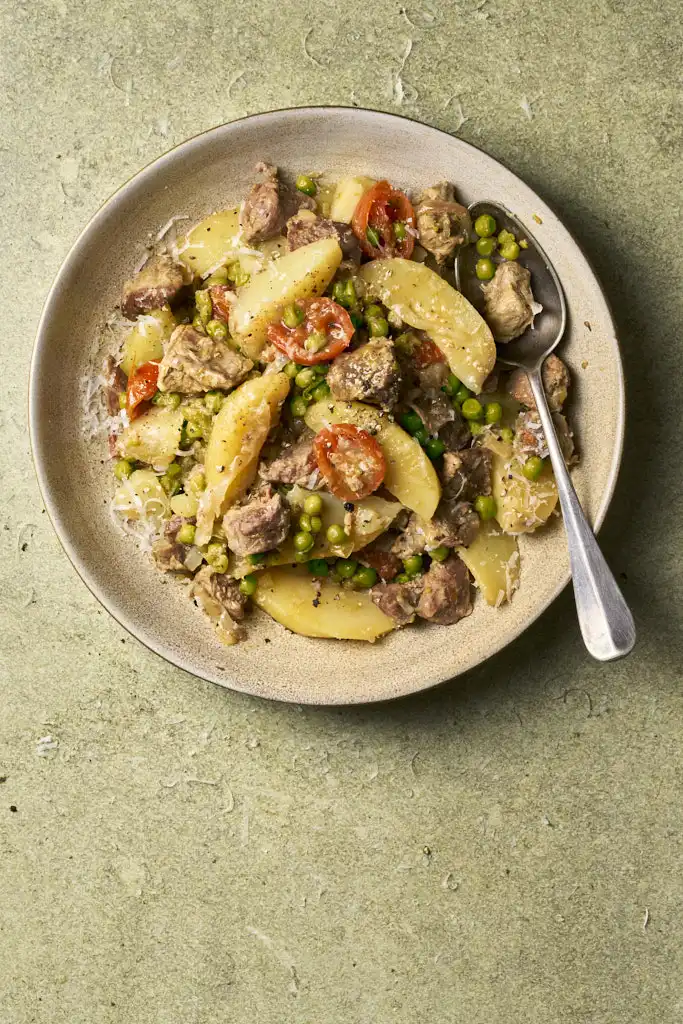
- Buridda di seppie – a delicious cuttlefish stew with potatoes and peas.
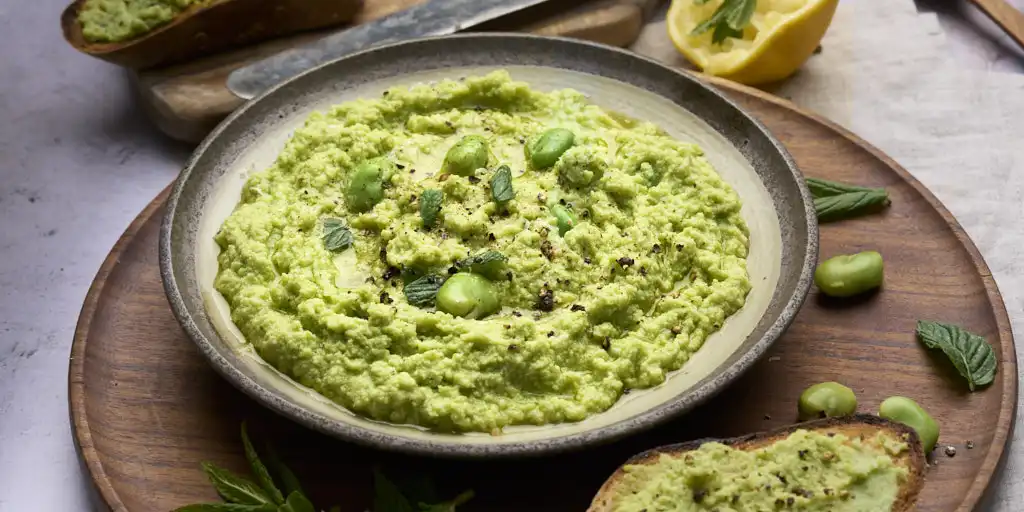
- Pesto di Fave
- Asparagus Risotto
Lombardy
Roast kid goat (capretto) features strongly in rural areas. In cities, Easter tables include risotto, regional cakes, and the national colomba. Lombard cooking balances meat traditions with rich dairy and rice dishes.
Key Easter Dishes:
- Capretto al Forno
- Riso al Salto
- Torta Paesana
- Colomba Pasquale
Trentino‑Alto Adige
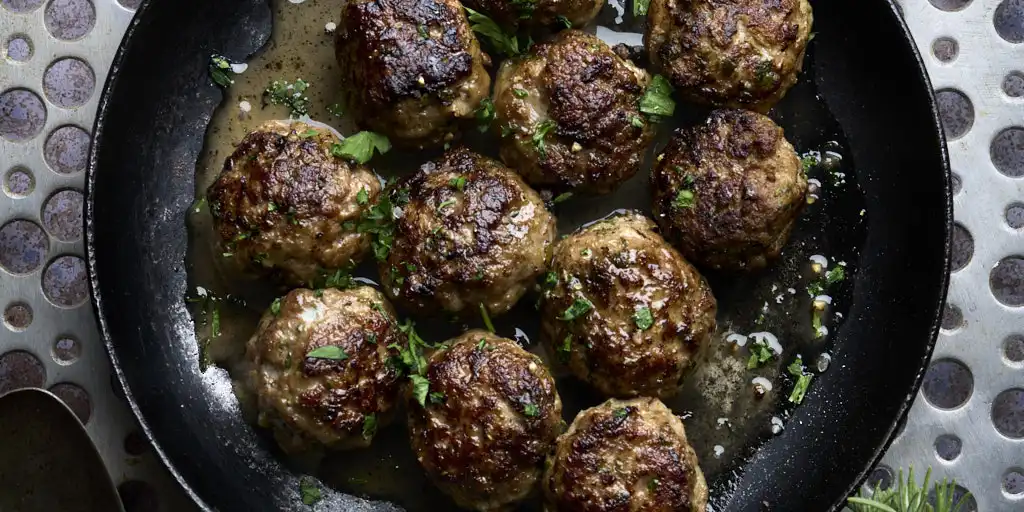
Easter reflects Alpine and Austrian influence. Roasted lamb pairs with potatoes and mountain herbs. Smoked meats and rye breads appear at breakfast. Sweet Easter breads often contain dried fruit and nuts.
Key Easter Dishes:
- Schüttelbrot
- Frittatensuppe
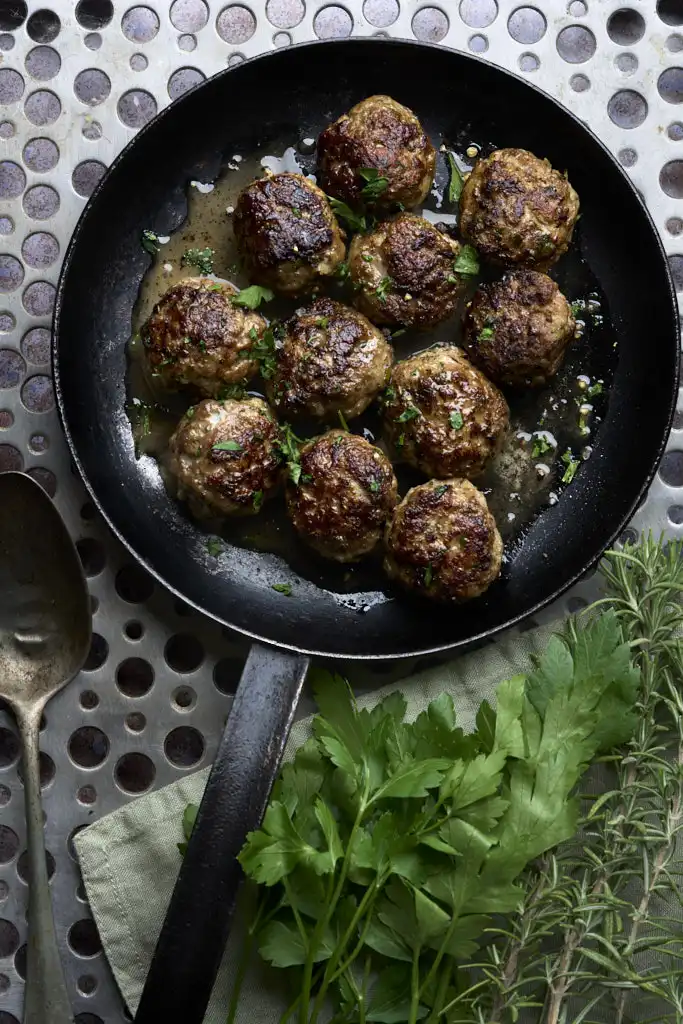
- Polpettine Pasquali
- Asparagus and Eggs
Veneto
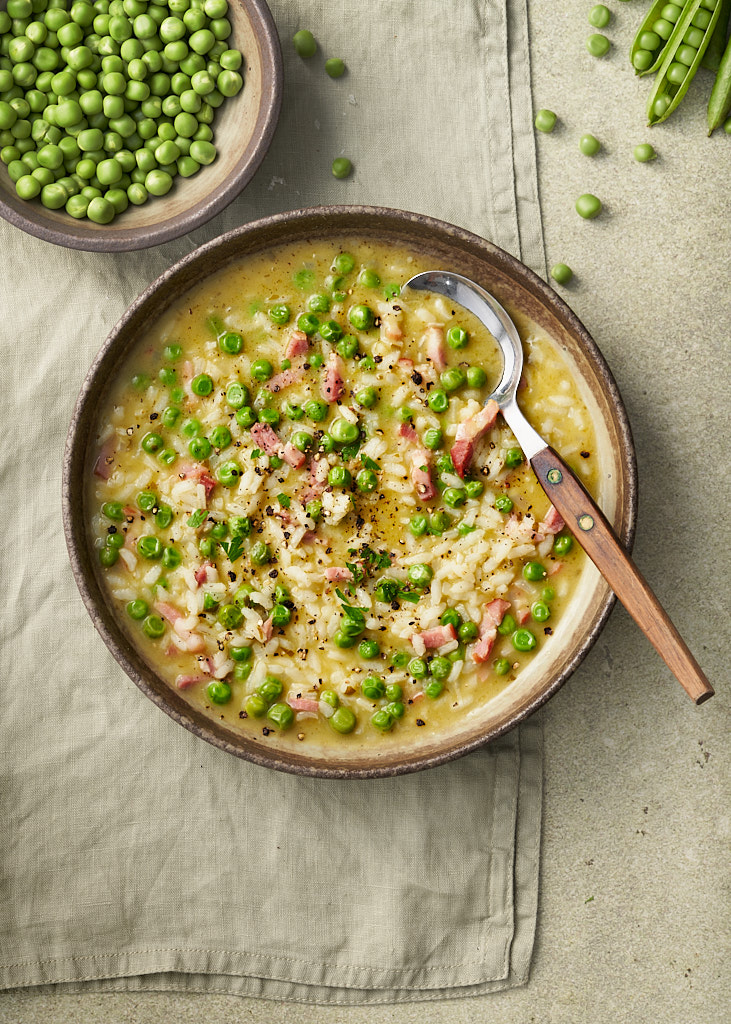
Spring vegetables define Venetian Easter. Frittata di asparagi celebrates the asparagus season. Roast meats follow, often lamb or kid. Sweet glazed breads known as fugassa appear alongside colomba.
Key Easter Dishes:
- Frittata di Asparagi
- Fegato alla Veneziana
- Fugassa
- Insalata Pasqualina
- Risi e Bisi
- Asparagus Risotto
Friuli‑Venezia Giulia
Easter breakfast is important. Families serve cooked ham, horseradish, boiled eggs, and sweet breads such as pinza and putizza. These reflect Central European culinary ties.
Key Easter Dishes:
- White Asparagus with Egg Sauce – one of the Friuli Classics.
- Pinza
- Osterpinze
- Pinza Triestina
- Presnitz
- Putizza
- Prosciutto Cotto con Kren
- Uova Sode Benedette
Central Italy
Emilia‑Romagna
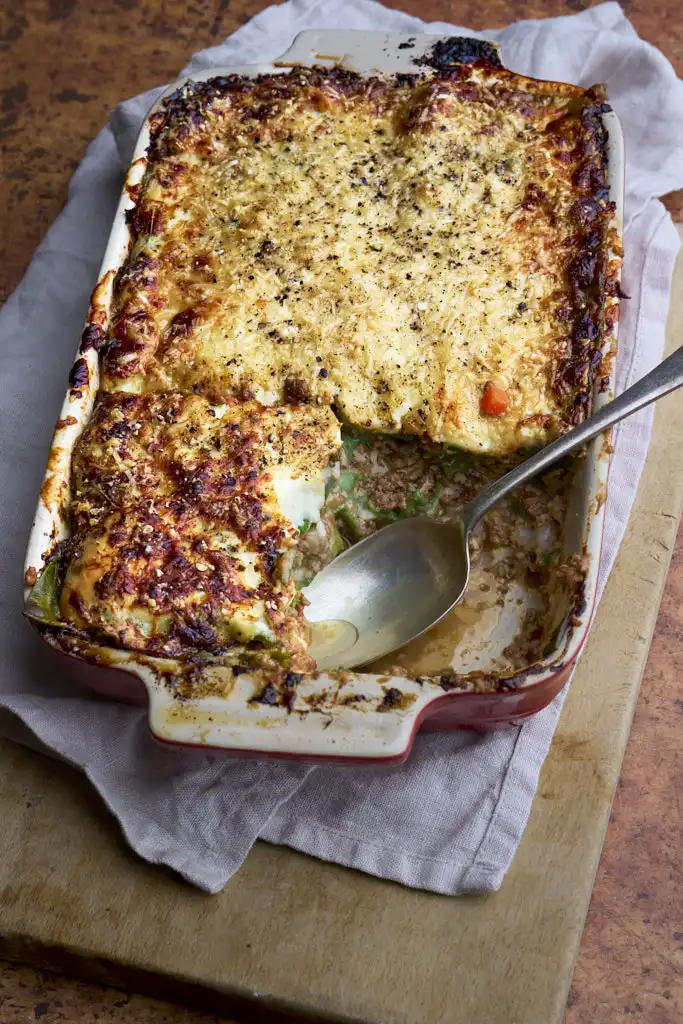
Cheese breads and savoury pies appear at breakfast. Lamb roasted with rosemary dominates lunch. Green lasagne sometimes appear on festive tables. The region’s dairy heritage shapes the meal.
Key Easter Dishes:
- Crescia
- Erbazzone
- Agnello al Forno
- Tardura
- Lasagne al Forno con Agnello
- Easter Lamb Lasagne with Spinach Pasta
- Zuppa Inglese
Tuscany
Roast lamb or pork anchors the meal. Crostini with chicken liver often open proceedings. Sweet breads such as schiacciata di Pasqua scented with anise conclude the feast.
Key Easter Dishes:
- Arista
- Crostini Neri – rustic Tuscan pâté of chicken livers flavoured with anchovies and capers traditionally served on toasted crostini.
- Schiacciata di Pasqua
- Pan di Ramerino
Umbria
Easter morning breakfast features torta al formaggio, a tall savoury cheese bread eaten with salumi and boiled eggs. Lamb appears at lunch, often simply roasted.
Key Easter Dishes:
- Torta di Pasqua
- Capocollo
- Ciaramicola
- Coratella d’Agnello
Marche
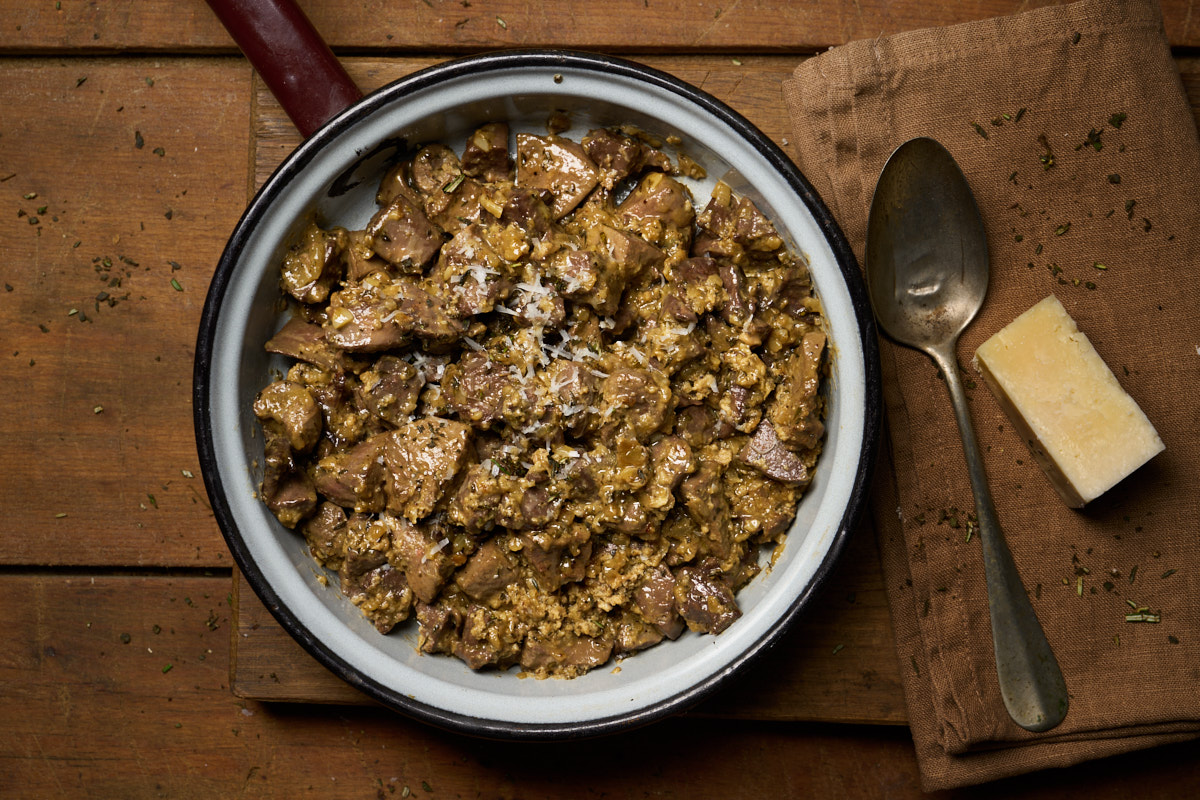
Pizza di Pasqua (cheese bread) resembles Umbrian versions but carries distinct local variations. Salumi and boiled eggs complete the breakfast ritual. Lamb follows for Sunday lunch.
Key Easter Dishes:
- Coratella alla Marchigiana
- Fava Ngreccia
- Pizza di Formaggio
- Crescia
- Ciarimbolo
- Salame di Fabriano
- Ciauscolo
- Ciambelle
- Pizza Dolce di Pasqua
Lazio
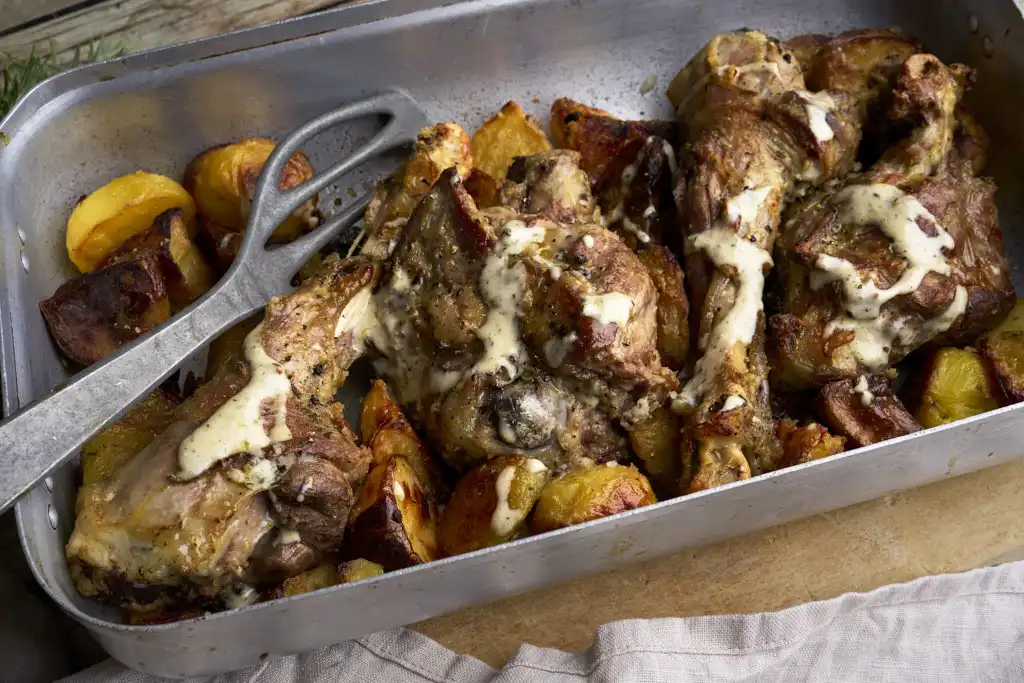
Rome celebrates with abbacchio alla romana, milk‑fed lamb roasted with garlic and rosemary. Coratella (lamb offal) sometimes appears earlier in the meal. Breakfast includes cheese breads and cold cuts.
Key Easter Dishes:
- Abbacchio alla Romana
- Coratella con Carciofi
- Capretto
Southern Italy
Abruzzo

Agnello cacio e uova combines lamb with egg and cheese sauce. Savoury pastries known as fiadoni appear at family gatherings. The food reflects strong pastoral traditions.
Key Easter Dishes:
- Agnello Cacio e Uova
- Fiadoni
Molise
Easter breads such as pigna pasquale feature prominently. Lamb and rustic stews dominate rural tables.
Key Easter Dishes:
- Pampanella
- Pezzata
- Pigna Pasquale Molisana
Campania
Naples centres Easter around pot-roasted lamb, casatiello, a rich savoury bread filled with cured meats and baked eggs. Dessert means pastiera napoletana, a ricotta and wheat tart scented with orange blossom.
Key Easter Dishes:
- Casatiello
- Pastiera Napoletana
- O Ruot’ ‘O Furn
Puglia

Roast lamb cooked with potatoes defines Easter lunch. Sweet pastries called scarcella are shaped into baskets or doves and decorated with eggs.
Key Easter Dishes:
- Scarcella
- Easy Lamb Stracotto with Orange
- Agnello al Forno
- Agnello di Pasta di Mandorle
Basilicata
Lamb stews with wild herbs appear on rural tables. Sweet anise‑scented Easter breads shaped into knots or rings symbolise continuity and renewal.
Key Easter Dishes:
- Agnello alla Lucana
- Frittata di Asparagi
Calabria
Cuzzupe are braided sweet breads topped with eggs. Roast kid goat often appears at lunch. The symbolism of egg and sacrifice remains central.
Key Easter Dishes:
- Cuzzupe
- Capretto al Forno
Sicily

Sicilian Easter desserts stand out. Cassata siciliana and marzipan lambs dominate bakery windows. Lamb roasts follow religious processions in many towns.
Key Easter Dishes:
- Cassata Siciliana
- Zuccotto Pasquale
- Angelino di Pasta di Mandorle
- Sicilian Lolli con le Fave
- Agnello Pasquale di Marzapane
Sardinia
Small ricotta and saffron tarts called pardulas mark the season. Roast lamb or suckling pig cooked with myrtle reflects the island’s pastoral culture.
Key Easter Dishes:
- Pardulas
- Roast Lamb