
Anchovies
A Guide to Italy's Most Versatile Fish
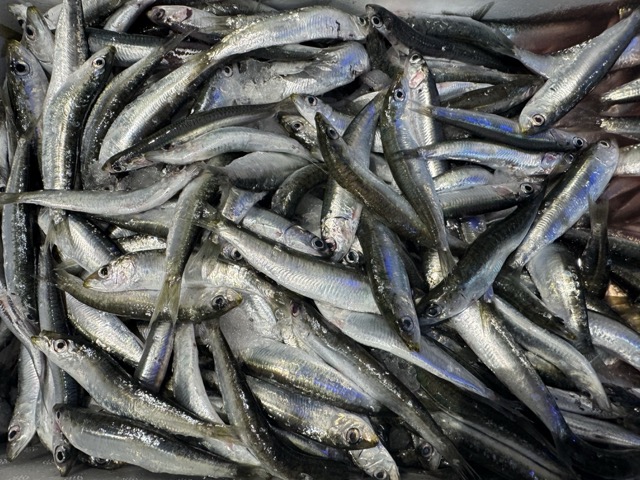
Anchovies are one of the most used ingredients in Italian cooking. They are also one of the most misunderstood. Most people who say they dislike anchovies have eaten them as a topping on pizza. And somehow they form a view that they are too fishy. But good anchovies, used correctly are a secret ingredient in Italian cooking. They disappear into a dish and leave behind depth and savouriness that you cannot get from anything else.
Italy has been fishing, salting and curing anchovies for centuries. The fish are caught in the Adriatic, the Ligurian Sea, the Tyrrhenian and the waters around Sicily. Each coastal region has developed its own tradition for curing and cooking them. Even though there may be subtle regional differences in techniques and use, the principles are always the same.
How anchovies are sold
In Italy, anchovies are sold fresh or preserved. Oil-packed anchovies in tins or jars are the most convenient. They are ready to use, milder in flavour, and good for most purposes.
Salt-packed anchovies are the more serious option. These are whole fish preserved in coarse salt. They have a stronger and more complex flavour. Salt-packed anchovies need rinsing and filleting before use. The extra effort is worth it. If a recipe uses anchovies as the main flavour, salt-packed are the better choice.
How Italian cooks use anchovies
Italian cooks rarely use anchovies as a topping. They use them as a base. The anchovy goes into the pan at the start of cooking, dissolved in olive oil. It disappears completely. The dish does not taste of fish. It tastes of something deeper.
This technique appears across many regions. In Lazio, anchovies go into the pan with lamb and rosemary to build the sauce for Abbacchio alla Romana. In Basilicata, they dissolve into olive oil with garlic and toasted breadcrumbs to make Pasta Mollicata. In Friuli, they form part of the base for Spaghetti con Sardine e Pomodoro. And in Liguria, they appear in Buridda di Seppie – the cuttlefish stew of the Ligurian coast.
Where the best Italian anchovies come from
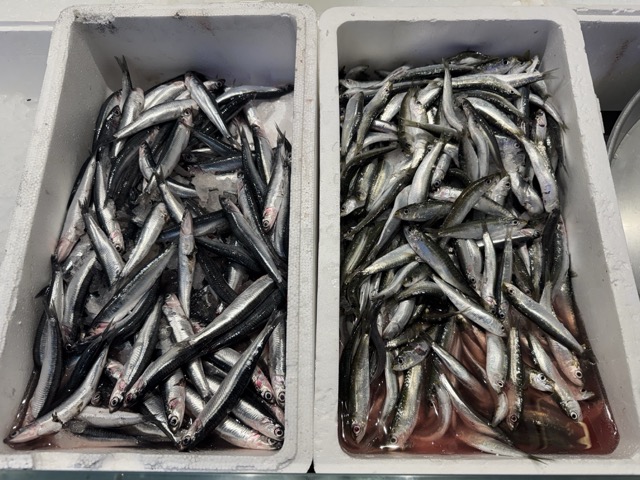
The two most celebrated production areas are Monterosso al Mare in Liguria and Cetara on the Amalfi coast.
Monterosso anchovies have IGP status. They are fished at night using the traditional lampara method – small boats using light to attract the fish. The catch happens between June and July. After fishing, the anchovies are processed by hand within two to three days. They are layered in chestnut barrels or clay pots with sea salt and left to mature for 40 to 60 days.
Cetara, in Campania, is best known for colatura di alici – an amber liquid produced as a by-product of the anchovy salting process. It is one of the most intense flavours in Italian cooking. A few drops added to pasta or vegetables at the end of cooking adds a depth that is hard to explain and easy to become addicted to.
What to buy
For everyday cooking, a good quality tin or jar of oil-packed anchovies from a reliable brand is fine. For dishes where the anchovy is the main flavour, look for salt-packed anchovies from Cetara or Monterosso. They are available online and from good Italian delis.
Avoid cheap supermarket anchovies where possible. They tend to be over-salted and flat in flavour.
Buon appetito! 🇮🇹
Recipes Using [Ingredient]
- Lorem Ipsum alla Romana - Lorem ipsum dolor sit amet, consectetur adipiscing elit.
- Pasta Lorem Ipsum - Sed do eiusmod tempor incididunt ut labore et dolore magna aliqua.
- Lorem Ipsum al Forno - Ut enim ad minim veniam, quis nostrud exercitation ullamco.
More from the Italian Pantry
- Lorem Ipsum - Duis aute irure dolor in reprehenderit in voluptate velit esse cillum.
- Lorem Ipsum - Excepteur sint occaecat cupidatat non proident deserunt mollit.