
Porcini
Italy's Most Prized Mushroom
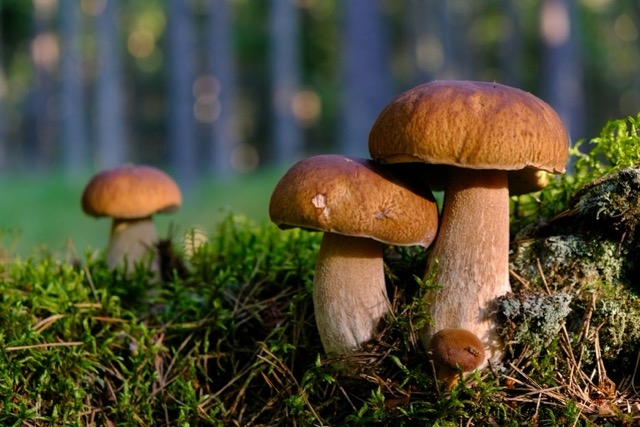
Porcini Mushrooms
If one ingredient defines the Italian autumn table, it’s the porcini mushroom. Porcini grow wild in the woodlands of central and northern Italy, and the main season runs from September through November, though a smaller second flush sometimes appears in spring.
Where Porcini Grow
Tuscany, Piedmont, Emilia-Romagna, Umbria and Trentino-Alto Adige all have strong porcini traditions, and each region uses them differently. In Piedmont they often appear alongside white truffle. In Tuscany they’re sliced and sautéed simply with garlic and parsley (trifolati), or folded into pasta and risotto. Further north, in the Alpine regions, porcini turn up in soups and alongside polenta. Porcini grow in partnership with certain trees, particularly chestnut, oak and pine, which is why the same woodlands that produce chestnuts each autumn often produce porcini too.
Foraging and the Tesserino
Picking porcini isn’t a casual hobby in Italy. Most regions require a paid permit, a tesserino, to forage mushrooms legally, and there are rules covering quantity, cutting method and minimum size, all designed to protect the woods for the following year. Despite the rules, foraging remains a fixture of autumn weekends for many families, and roadside stalls selling freshly picked porcini by the kilo are a common sight once the season is underway.
Choosing and Buying Porcini
A good fresh porcino should feel firm and heavy for its size, with a cap that’s dry rather than slimy. Press the stem gently. It should give a little but not feel soft or hollow. Porcini are prone to insect larvae, so it’s worth slicing one open before you buy a batch, or checking carefully once you’re home. A few small holes near the base aren’t unusual, but a stem riddled with tunnels means the mushroom has gone too far.
Dried porcini vary a lot in quality. Look for large, pale gold to light brown slices rather than small, dark, crumbly pieces, which usually come from lower grade mushrooms or the dust left over from packing. The better the slice, the stronger and cleaner the flavor once it’s rehydrated.
Cooking Fresh Porcini
Porcini don’t need much done to them. Clean them with a soft brush or a barely damp cloth rather than running them under water, since mushrooms absorb liquid and turn soggy fast. Slice thickly and cook them simply, in olive oil with a little garlic and parsley (trifolati), and they hold their own as a side dish. They’re just as often folded into risotto right at the end of cooking, laid over a plate of pappardelle, or scattered over soft polenta.
Drying and Rehydrating Porcini
Fresh porcini are prized but short-lived, so drying is the traditional way to keep the flavor going once the season ends. Producers and home cooks slice them thin and dry them, either in the sun or in a low oven, then store them in an airtight container. To bring them back to life, dried porcini go into a bowl of warm water for twenty to thirty minutes, until they soften. The soaking liquid is never thrown away. Strained through a cloth or a coffee filter to catch any grit, it goes into the pan along with the mushrooms, adding a concentrated flavor that fresh porcini alone don’t have.
Rehydrated porcini turn up in risottos, ragùs, stuffings and soups right through winter and into spring, long after the fresh season has ended. That’s why dried porcini sit in most Italian kitchen cupboards as a year-round staple rather than a seasonal treat.
Storing Porcini
Fresh porcini don’t keep well. Wrap them loosely in paper, not plastic, which traps moisture and speeds up rot, and use them within two or three days. Dried porcini are the opposite. Kept in an airtight container somewhere cool and dark, away from direct light, they’ll hold their flavor for up to a year.
Recipes to Try
All-Season Mushroom Risotto is currently the place to start if you want to bring porcini into your own kitchen.
Cook With Porcini
See how porcini works in practice in the All-Season Mushroom Risotto, a good place to start if you're cooking with them for the first time.
Go to the RecipeAutumn in Italy
Porcini is one of the ingredients that defines the season. See how it fits into the rest of Italy's autumn cooking.
Explore the Italian Autumn Guide