Sicily has a range of interesting pasta recipes. What sets it apart is not the pasta itself but what goes on it. The island was ruled by Arab traders between the 9th and 11th centuries, and that has directly influence Sicily’s pasta sauces. Aubergines, pine nuts, raisins, almonds, saffron, and citrus all arrived with the Arabs and never left. The result is a pasta tradition with a flavour profile unlike anywhere else in Italy. Combinations that would feel out of place on mainland Italy are completely at home here.
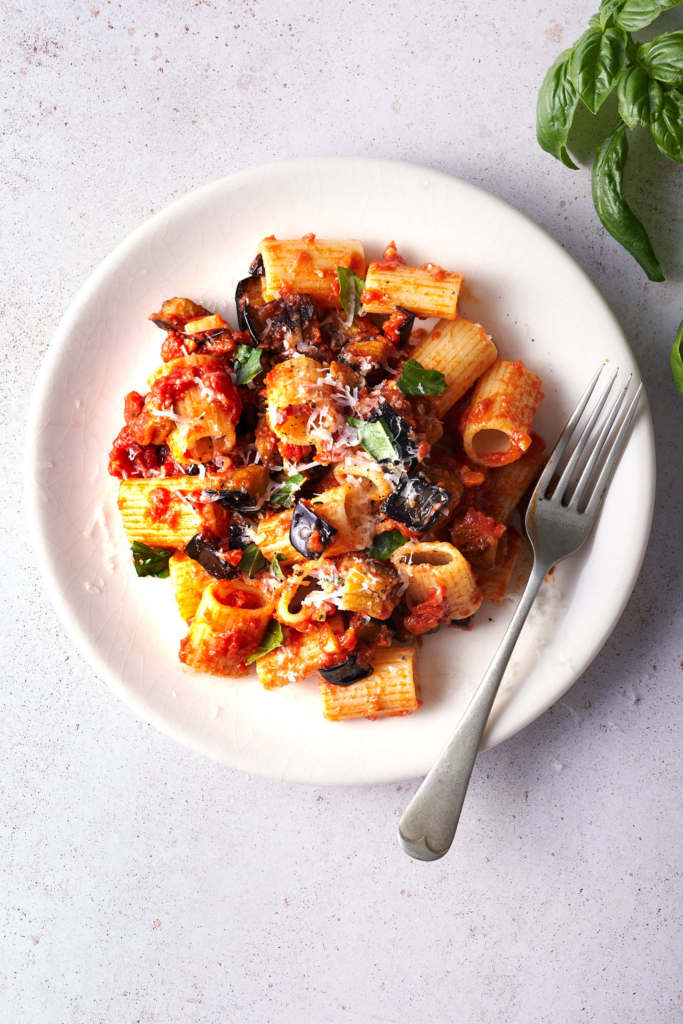
Pasta alla Norma
The dish that defines Catania and, for most of the world, defines Sicilian pasta. Fried aubergine, a robust tomato sauce, and a generous grating of ricotta salata – the pressed, salted ricotta that is the only correct cheese for this dish. The name comes from Vincenzo Bellini’s opera Norma, which a Catanian journalist declared to be as perfect as the pasta when he first tasted it in the late 19th century. Whether or not the story is true, the name stuck.
In the heat of a Sicilian summer, heavy sauces make no sense. Pasta al limone is the answer – long pasta dressed with lemon juice, olive oil, fresh herbs, and Parmesan. The Arabs introduced citrus to Sicily in the 9th century, and lemons have been central to the island’s identity ever since. This is the dish you make when the temperature makes anything more complex unthinkable.
Lolli are short, thick pasta tubes – a shape specific to western Sicily. Paired with a sauce of slowly cooked fava beans, finished with chilli and olive oil, this is spring cooking in its simplest form. Fava beans have been grown in Sicily since the ancient Greeks, who valued them for their protein and their ability to grow through the cool winter months. The dish tastes of the season – fresh, green, and direct.
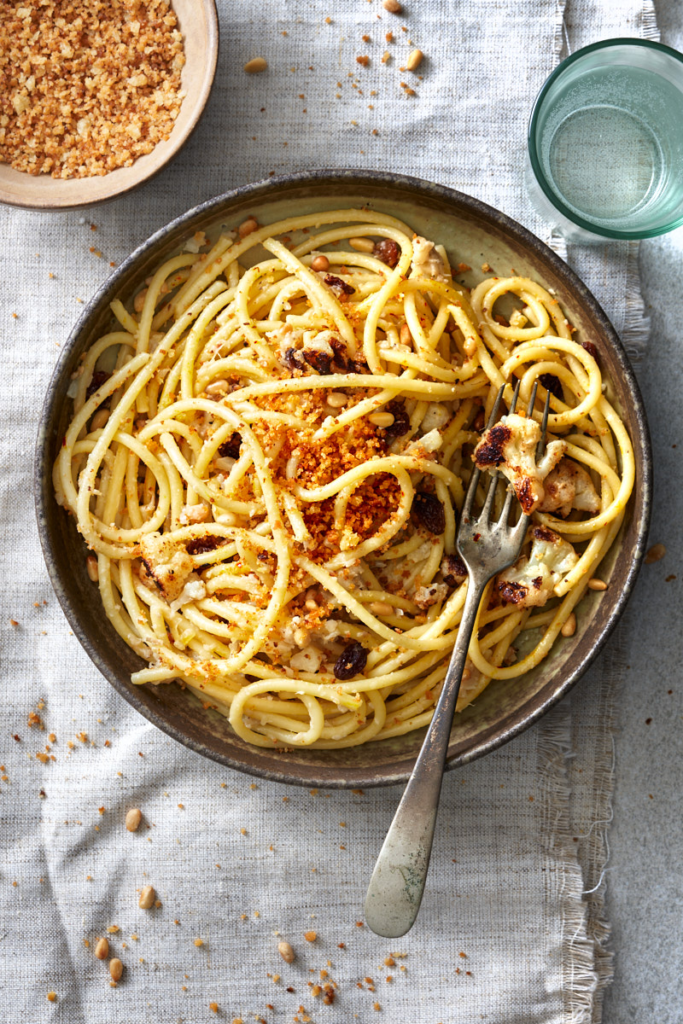
Arriminata means stirred or tossed in Sicilian dialect. Short pasta tossed through a sauce of broccoli, anchovies, pine nuts, raisins, and saffron – a combination that reads like a list of ingredients from two different cuisines, which is precisely the point. This is the Arab influence on Sicilian cooking made visible: sweet, salty, aromatic, and completely distinctive. One of the most interesting pasta dishes in the Italian repertoire.
Pasta is just the beginning. Sicily has one of the most distinctive food cultures in the Mediterranean - shaped by three thousand years of Greek, Arab, Norman, and Spanish influence.