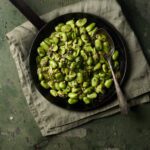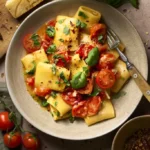
Friulian food is bold, rustic and shaped by the mix of Alps, Adriatic and Central European cultures. Signature dishes include jota, a hearty bean and sauerkraut soup, cjarsons, soft ravioli filled with potatoes, herbs and dried fruit, and strucolo de pom, a sweet rolled pastry packed with plum or apricot jam. These dishes show how the region blends Italian, Austrian, Slovenian and Hungarian flavours into one unforgettable cuisine.
Friuli-Venezia Giulia sits in Italy’s far north-east, squeezed between mountains, sea and three borders. Many travellers skip it because more fashionable regions grab the spotlight. But that’s a mistake. This little corner of Italy hits hard with flavour. Wild herbs, mountain cheeses, fresh seafood and some of Italy’s best white wines all come from here.
I only discovered Friuli by chance. When we moved to Hungary, we wanted to reach Italy without flying with two young kids. A five-hour drive felt doable. And Friuli just happened to sit on that route. That first trip changed everything. Friulian food surprised me at every turn. It felt Italian, but also not. It tasted familiar, yet new. That contrast hooked me right away.
Locals call the region “Friuli” for short. Austria sits above it. Slovenia hugs its right side. Veneto presses in from the west. With neighbours like these, the region cooks with ideas from everywhere. Many dishes carry Austrian comfort, Slovenian earthiness and Hungarian spice. Yet the heart still beats Italian. That blend makes the food here stand out.
Friuli is small, but the landscapes shift fast. High peaks. Forests. Vine-covered hills. Plains that glow gold with corn. A long Adriatic coastline. Each area shapes its own flavours, so the food changes as you drive.
This Friuli Food Guide gives you a clear look at the dishes, traditions and ingredients that define Friulian cuisine. It sets the scene before we dive into the past that shaped it.
What is Friulian Food?
Friulian food blends Alpine, Slavic and Italian flavours into simple, hearty dishes built on beans, sauerkraut, herbs, cheese and preserved meats.
Friulian food is known for its bold, rustic flavours and a mix of Alpine and Adriatic traditions. Signature dishes include jota, a hearty bean and sauerkraut soup, cjarsons, sweet-savory ravioli filled with potatoes, herbs and dried fruit, and strucolo de pom, a soft roll stuffed with plum or apricot jam.
Named ‘Friuli’ for short, this region is sandwiched between Austria and Slovenia to the north. And the Italian region of Veneto to the west. But most people have never really heard of it. Maybe people have heard of Trieste? Or perhaps the Udinese football club? Even fewer people know anything about Friuli food. So sadly, Friuli just sits largely unnoticed and undiscovered. Whilst more fashionable regions like Tuscany or Veneto are packed with tourists all year round.
Friuli is the 4th smallest Italian region. But its landscape is very varied. High mountains, hills, plains, rivers and lakes. And a long Adriatic coastline. Most of the region didn‘t become part of Italy until 1918. This varied geography and its colourful history have both created a remarkable regional cuisine. In fact many dishes here are as much Austrian, Slovenian and Hungarian as they are Italian.
Friulian food mixes Alpine comfort dishes, Central European flavours and Mediterranean ingredients, creating one of Italy’s most unique regional cuisines.
History of Friuli Food
To understand why Friulian food tastes so different from the rest of Italy, you need to look at the region’s past. Every empire, neighbour and border shift left something on the plate.
Roman Influence
The Romans valued Friuli for its access to the Adriatic and its easy routes into Central Europe. In return, they brought advanced winemaking skills, olive-growing knowledge and a love for herbs. Flatbreads, fish stews and simple rustic dishes spread through the region. Many of these early flavours still sit inside Friulian food today, especially in the wines and olive oils that built the region’s reputation.
Venetian Rule
From the 15th to the 18th century, much of Friuli fell under the Venetian Republic. This era pulled strong Mediterranean flavours into the region. Seafood became central. Polenta spread north. Dishes like risi e bisi made their way into local kitchens. Venice also pushed wine production further, laying the groundwork for the clean, elegant whites Friuli is famous for now.
Austro-Hungarian Control
By the late 18th century, Friuli shifted again and became part of the Habsburg Empire. This period changed the food more than any other. Austrian comfort dishes, Slovenian techniques and Hungarian spice arrived one after another. Schnitzel, goulash, sauerkraut, strudel and hearty stews settled into everyday life. Fermented vegetables and slow-cooked meat dishes gained popularity. Over time, these foods merged with Italian habits and shaped a unique cross-border cuisine that still defines Friuli today.
From World War I to Modern Day
Friuli joined Italy in 1918, but the scars of World War I and the region’s tough border life shaped eating habits for decades. People leaned on resilient crops like turnips, corn and beans. After World War II, Friuli reinvented itself as a powerhouse for white wine, producing bottles that now rank among the best in Europe.
Today the region embraces its multicultural roots. Friulian food blends Italian, Slovenian, Austrian and Hungarian traditions into a rich, distinctive gastronomic identity. Dishes like jota, cjarsons and strucolo de pom carry echoes of every culture that passed through.
Most famous Friulian foods:
– Jota (bean and sauerkraut soup)
– Cjarsons (sweet-savory ravioli)
– Strucolo de pom (fruit-filled rolled pastry)
– Frico (Montasio cheese and potato)
– San Daniele prosciutto
Friuli’s Provinces
Friuli is divided into the following 4 administrative areas. And each of them have their own local dishes which contribute to the overall collection of Friuli food culture and cuisine.
Trieste

Where is Trieste?
The city of Trieste sits on the Adriatic coast, near the border with Slovenia. It is a cultural and geographic gateway between Italy and Eastern Europe. As a result, the food of Trieste is a cornerstone of Friuli food. The administrative region of Trieste includes Trieste itself. But also the slither of land that hugs the eastern edge of the Adriatic. In some ways it looks like a little tail.
About Trieste
Trieste was a vital port city under the Habsburg Empire. It was a crossroads of cultures and cuisines. Its history shaped Trieste’s eclectic food scene, blending Mediterranean and Central European influences. In particular, Trieste’s ties to Austria and Slovenia introduced flavours like goulash, strudels, and sauerkraut. In fact today, these dishes are regarded as much part of Trieste‘s cuisines as the seafood specialties from the Adriatic.
Trieste Recipes
Popular Trieste recipes include:
- Jota: A hearty soup with sauerkraut, beans, and pork.
- La Calandraca: A savory meat stew with potatoes and onions.
- Minestra di bobici: a late summer soup made from sweetcorn, borlotti beans, smoked ham.
- Gulasch alla Triestina: A local twist on Hungarian goulash with paprika and tender beef.
Udine
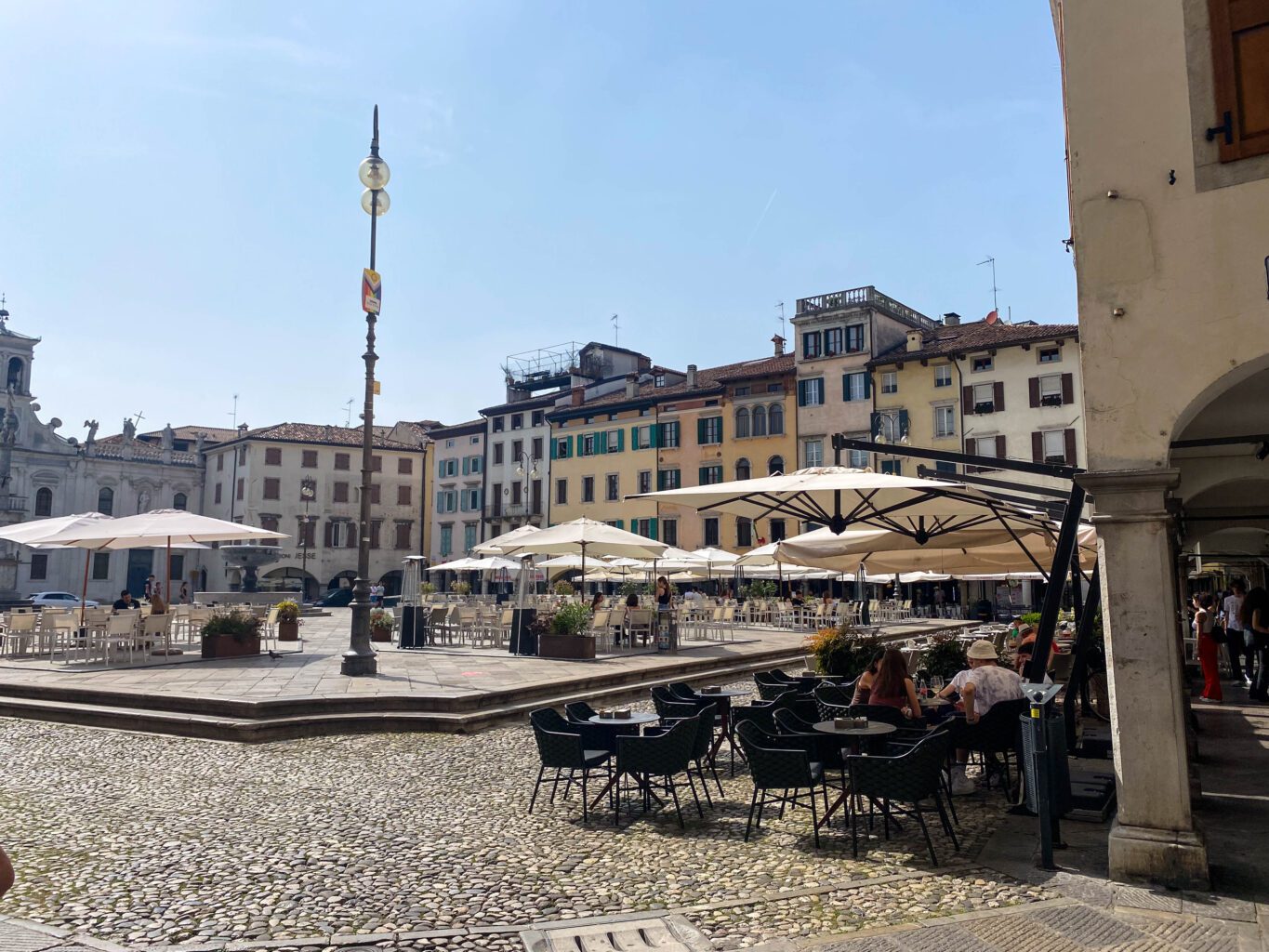
Where is Udine?
Udine lies in the heart of Friuli-Venezia Giulia. Is fertile plains and rolling hills, make it an agricultural powerhouse.
About Udine
The Udine region is the central region in Friuli. It’s main city is Udine, whose history centres around its role as a cultural hub in Friuli. Venetian influence enriched its art and architecture, while Austro-Hungarian connections left a culinary legacy. For example, dishes like Frico and Cjarsons reflect the region’s love for cheese and the integration of sweet and savoury flavors. Slovenia’s proximity also introduced dumplings and fermented vegetables into the local cuisine.
Udine Recipes
Popular Udine recipes include:
- Frico: A crispy pancake of Montasio cheese and potatoes.
- Orzo e Fagioli Soup: a classic Friuli soup made with orzo (barley) and fagioli (borlotti beans). It’s a perfect meal on any cold Autumn or Winter day.
Pordenone

Where is Pordenone?
This province sits in western Friuli, bordered by the Veneto region to the south and the Carnic Alps. Pordenone is the main town. This proximity to Venice influences its culinary scene.
About Pordenone
Pordenone grew as a center for trade and craftsmanship during the Middle Ages. Therefore its cuisine reflects a mix of rustic traditions and modern creativity. Influences from nearby Venice introduced seafood and polenta dishes, while Austrian and Friulian elements brought hearty meat dishes and smoked specialties like Pitina.
Pordenone Recipes
Popular Pordenone recipes include:
Gorizia
Where is Gorizia?
Gorizia lies along the Slovenian border. It enjoys both the Adriatic’s mild climate with the ruggedness of the Julian Alps. And as a result, the food here has a very Slovenian feel to it.
About Gorizia
Gorizia’s history as a contested borderland created a blend of Italian, Slovenian, and Austro-Hungarian cultures. This diversity shines in its food and traditions. Slovenian dumplings, Austrian pastries, and Italian pasta dishes coexist harmoniously, creating a vibrant culinary scene.
The Diverse Terrain of Friuli
Friuli Food: Mountains
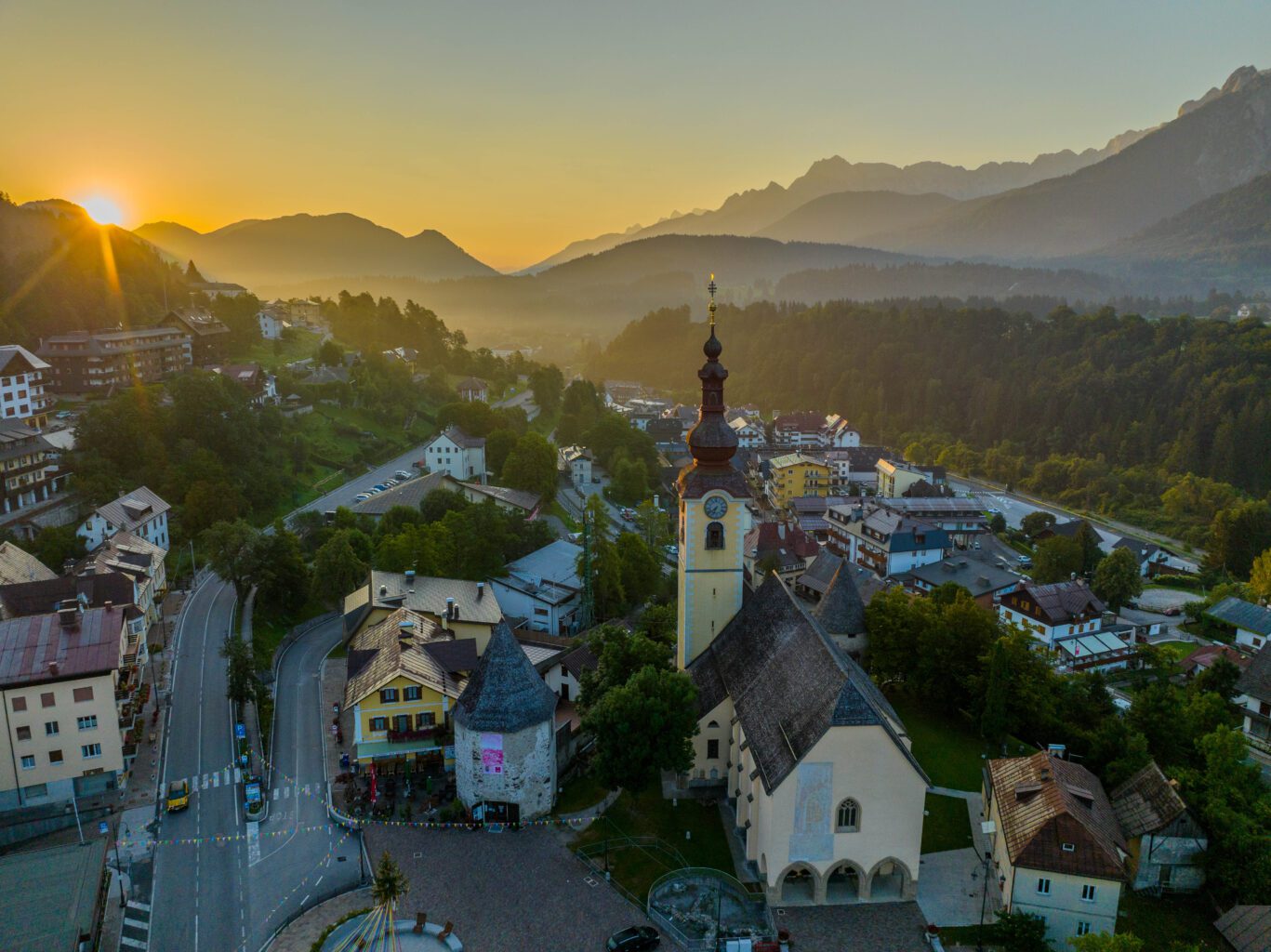
The Carnic and Julian Alps dominate northern Friuli, offering pristine landscapes and rich alpine traditions. Locals harvest wild herbs, mushrooms, and game, which feature prominently in mountain cuisine.
Traditional dishes like “cjarsons,” sweet-and-savory stuffed pasta, reflect the unique combination of local herbs and dairy products. Game meats such as venison and wild boar regularly feature in hearty stews and roasts, flavored with juniper berries and mountain spices.
Cheeses like Montasio, produced in the high-altitude pastures, form the base for dishes like Frico, a crispy cheese and potato pancake. Wild mushrooms, including prized porcini, enhance risottos and tagliatelle.
Dolomites?
Friuli Food: Hills
The Collio and Colli Orientali hills produce exceptional wines, including Friulano and Ribolla Gialla, known for their crisp acidity and complex aromas. The mineral-rich soil and gentle slopes of these hills create the perfect conditions for cultivating premium grape varieties, imparting unique terroir-driven characteristics to the wines.
Olive groves enjoy the mild climate and produce high-quality extra virgin olive oil with a fruity and slightly peppery flavour. Orchards scattered across the hills contribute to Friuli’s agricultural abundance, producing cherries, apples, pears and peaches with intense sweetness and vibrant colour. These fruits and oils often enhance traditional dishes such as Risotto Montasio e Pere, adding a touch of local essence to Friulian cuisine.
Friuli Food: Rivers and Lakes
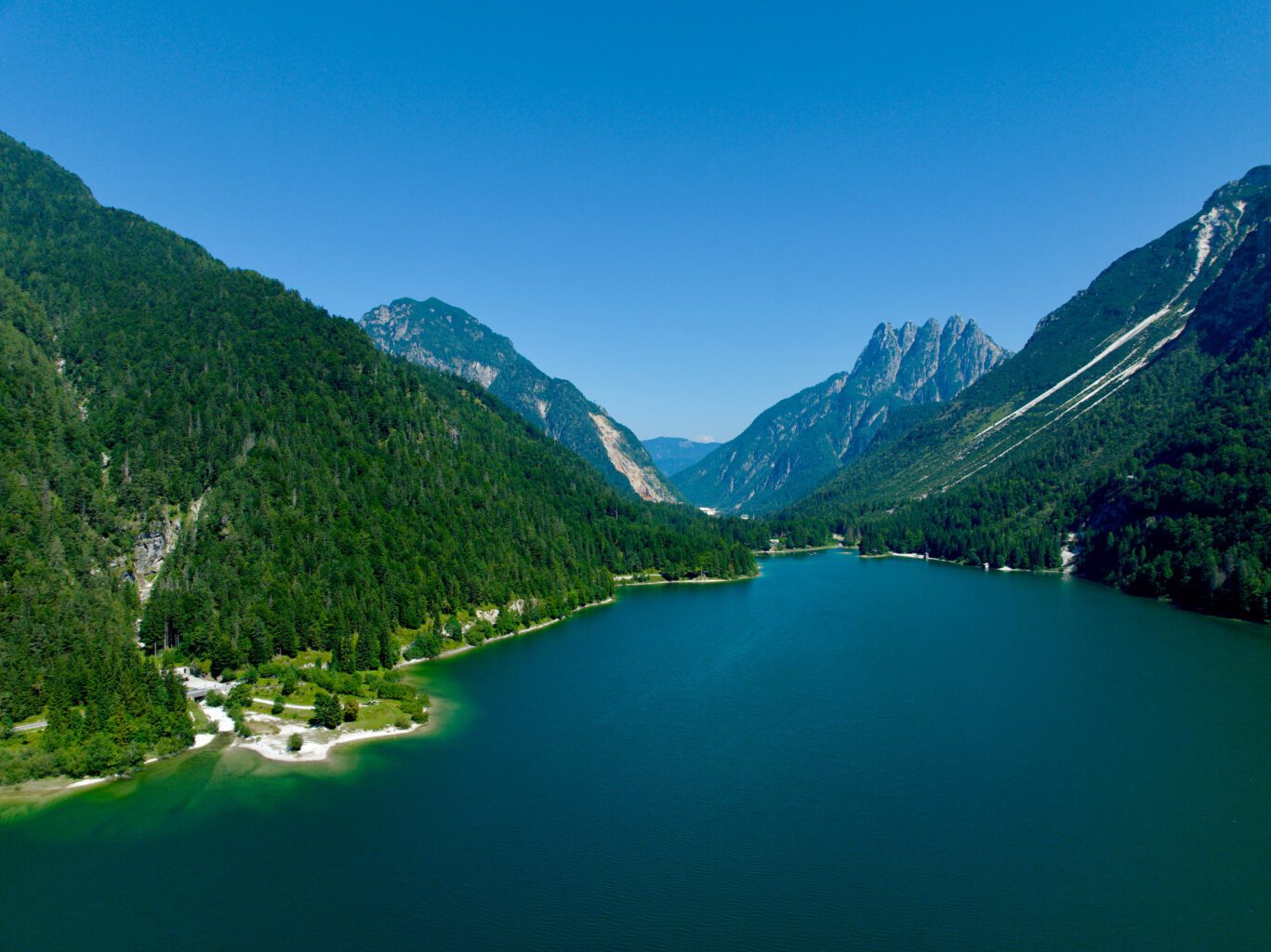
Rivers like the Tagliamento and Isonzo, and the many Alpine lakes and water systems in Friuli provide fresh water essential for agriculture and aquaculture, sustaining the region’s fertile plains and vibrant ecosystems. These rivers and lakes teem with fish such as trout, a prized local delicacy featured in traditional dishes like Tagliolini al nero di seppia con trota ‘fil di fumo’ or Trota all’ Udinese. Riverbanks host rich soils that nourish crops like corn and vegetables, forming the backbone of Friulian cuisine. The Tagliamento, with its unspoiled landscape, offers a critical habitat for biodiversity, while the Isonzo supports vineyards producing wines with distinct minerality.
Friuli Food: Coast
Friuli’s Adriatic coastline yields an abundance of seafood, from mussels and clams to squid and sardines. Coastal towns celebrate the sea’s bounty with dishes like brodetto, a rich seafood stew featuring a medley of fish, tomatoes, and herbs. Grilled sardines, often served with polenta, highlight simple yet flavorful preparation methods. Squid ink risotto and fried calamari showcase the region’s creativity with local catches. The Adriatic also provides high-quality fish like branzino and orata, often roasted whole with olive oil and fresh herbs. Salt from the nearby salt pans enhances the flavors of these dishes, further connecting Friuli’s cuisine to its coastal heritage.
Friuli Food: Plain
The fertile plains of Friuli, located in the northeastern part of Italy, are known for their rich agricultural land, which is ideal for growing a variety of crops. These plains, with their mild climate and rich soil, support the cultivation of essential staples such as corn, wheat, and a wide range of vegetables.
Corn, in particular, has played a significant role in Friulian cuisine for centuries, with polenta being a central dish in the region. This hearty, versatile dish made from cornmeal can be served in many ways, often as a side to winter stews such as Karst Vension with Juniper. Or with Goulasch alla Triestina.
The plains also yield an abundance of vegetables like tomatoes, beans, and cabbage, which form the basis of many traditional Friulian recipes. These ingredients not only shape the daily meals of the region but also reflect the deep connection between the land and the local culture.
Friuli Food: Karst
The Karst plateau, located just to the south of the Friulian plains, is a stark contrast to the fertile lowlands. Known for its rugged and dramatic landscape, the Karst is marked by limestone caves, deep fissures, and unique microclimates that create an environment ideal for specific types of agriculture.
The region’s mineral-rich soil and varying temperatures produce some of the finest wines in Friuli, particularly robust red wines like Refosco and Friulano. These wines are known for their full-bodied flavors and are often paired with local dishes like grilled meats, risottos, and the renowned Jota, a hearty soup made from beans, sauerkraut, and pork.
In addition to its wine, the Karst plateau is also famous for Jamar cheese, a unique, aromatic product made from sheep’s milk. This cheese is often aged for several months, developing a rich, creamy texture and a distinctive flavor that reflects the terrain in which it is produced.
The Karst region’s influence on local cuisine is profound, with its wines and cheeses playing a significant role in shaping the culinary traditions of Friuli. The contrast between the fertile plains and the rugged Karst makes Friuli an exceptional area for a diverse array of traditional Italian flavors.
Friuli Food: Regional Produce
Underpinning exceptional Friuli food is the region’s exceptional produce. Thanks to its unique geography that spans the Alps, rolling hills, and Adriatic coastline, the variety of unique produce is quite impressive. This diversity creates microclimates ideal for cultivating a wide range of crops, producing wines, and crafting distinctive artisanal foods. One of the region’s most celebrated exports is San Daniele prosciutto, a world-renowned cured ham that owes its unique flavor to the clean mountain air and centuries-old traditions.
Another standout product is Montasio cheese, a semi-hard cheese made from cow’s milk, prized for its nutty and slightly sweet flavor. Montasio forms the base for Friuli’s iconic dish, Frico, a crispy cheese and potato pancake. The region also boasts exceptional wines, such as Friulano, Ribolla Gialla, and Refosco, which thrive in the mineral-rich soils of the Collio and Colli Orientali areas. The interplay of alpine freshness and coastal breezes imparts a unique character to these wines.
Friuli’s fertile plains yield an abundance of corn, the key ingredient in polenta, a staple in regional cuisine. Additionally, the region is known for its Carnia potatoes, grown in the mountain valleys, and Radicchio Rosso di Gorizia, a vibrant red chicory with a delicate bitterness.
Coastal areas contribute their share with fresh seafood, while the rivers and forests provide game meats, wild herbs, and mushrooms. Friuli also has a strong tradition of preserving produce, with specialties like brovada (fermented turnips) and fruit-based mostarda adding depth to local dishes.
If you would like to enjoy more flavours from the Friuli-Venezia Giulia region, check out some of my other Friuli recipes here.